If you’ve ever watched a preschooler completely lose themselves in a game, you’ve witnessed one of the most powerful ways young children learn. Whether they’re matching colors, swatting alphabet flies, counting bears, or taking turns with a board game, they’re doing much more than having fun—they’re building the skills they’ll use for a lifetime.

Mom. Early Childhood Specialist. Blogger.
As a mom and early childhood educator, I’ve learned that the best educational games don’t feel like lessons at all. They spark curiosity, encourage conversation, and invite children to think, explore, solve problems, and laugh along the way. That’s exactly how preschoolers are designed to learn—through meaningful, hands-on play.
The right games can strengthen letter recognition, early math skills, language development, memory, fine motor coordination, problem-solving, and even important social skills like sharing, taking turns, and working together. Better yet, they create opportunities for parents and children to connect in ways that screens simply can’t.In this article, I’m sharing some of my favorite educational games for preschoolers. These are games I would happily recommend to families, teachers, and homeschoolers because they combine learning with genuine fun. Whether you’re looking to prepare your child for kindergarten, reinforce important skills at home, or simply spend quality time together, you’ll find plenty of ideas to inspire your next game day.
After all, children rarely remember the worksheets they completed—but they’ll always remember the games they played with the people who loved them
Why Educational Games Matter
For preschoolers, play isn’t a break from learning—it is learning. Every puzzle they solve, every letter they recognize, and every turn they take in a game is helping their growing brain make important connections. That’s why educational games are such a valuable part of early childhood.
Unlike worksheets or drills, games encourage children to learn naturally through exploration, movement, and fun. They don’t even realize they’re practicing important academic and life skills because they’re too busy enjoying themselves.
Here are just a few of the many benefits educational games offer preschoolers:
They Build Early Literacy Skills
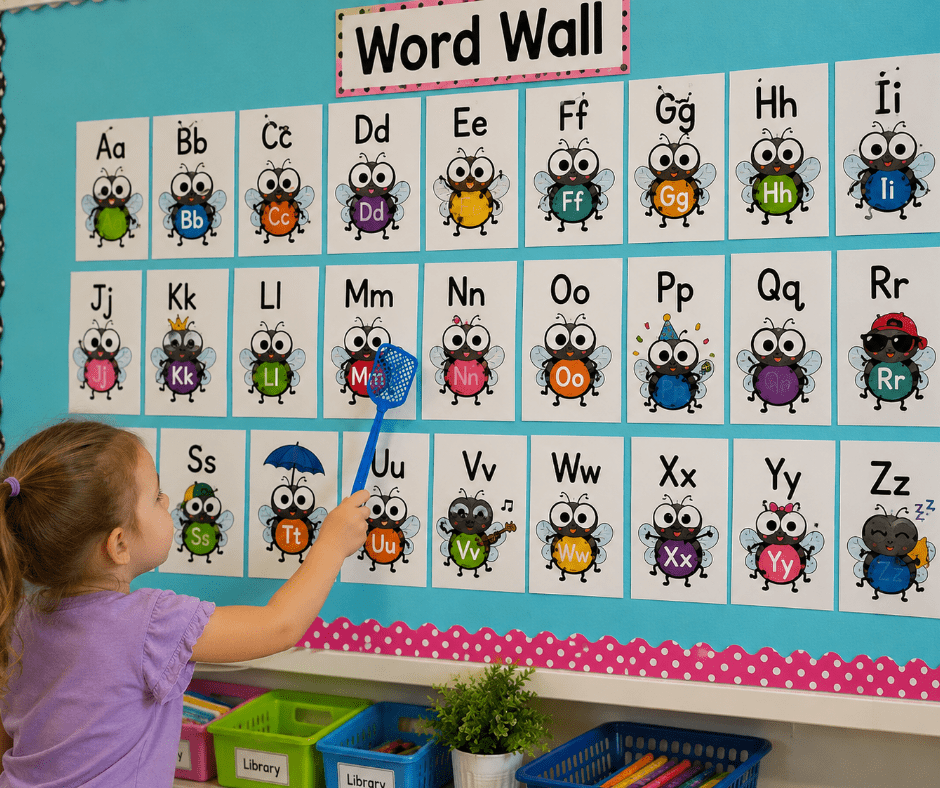
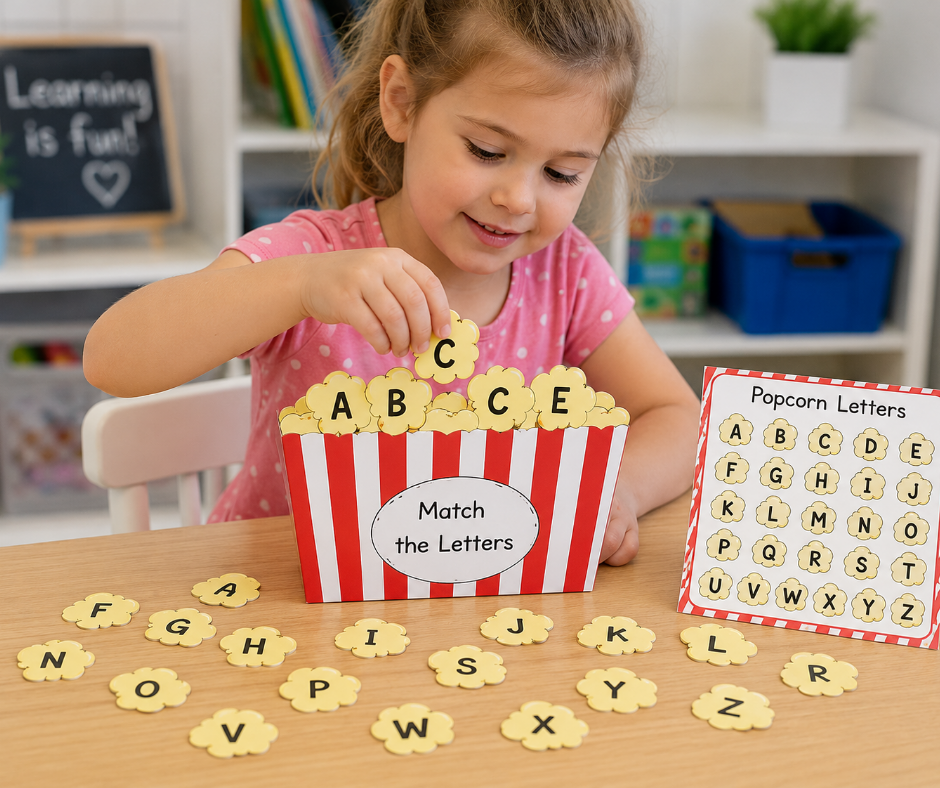
Many educational games introduce children to letters, letter sounds, rhyming words, and vocabulary in exciting ways. Whether your child is matching alphabet cards or swatting the correct letter, these playful experiences help build the foundation for reading.
They Strengthen Early Math Skills
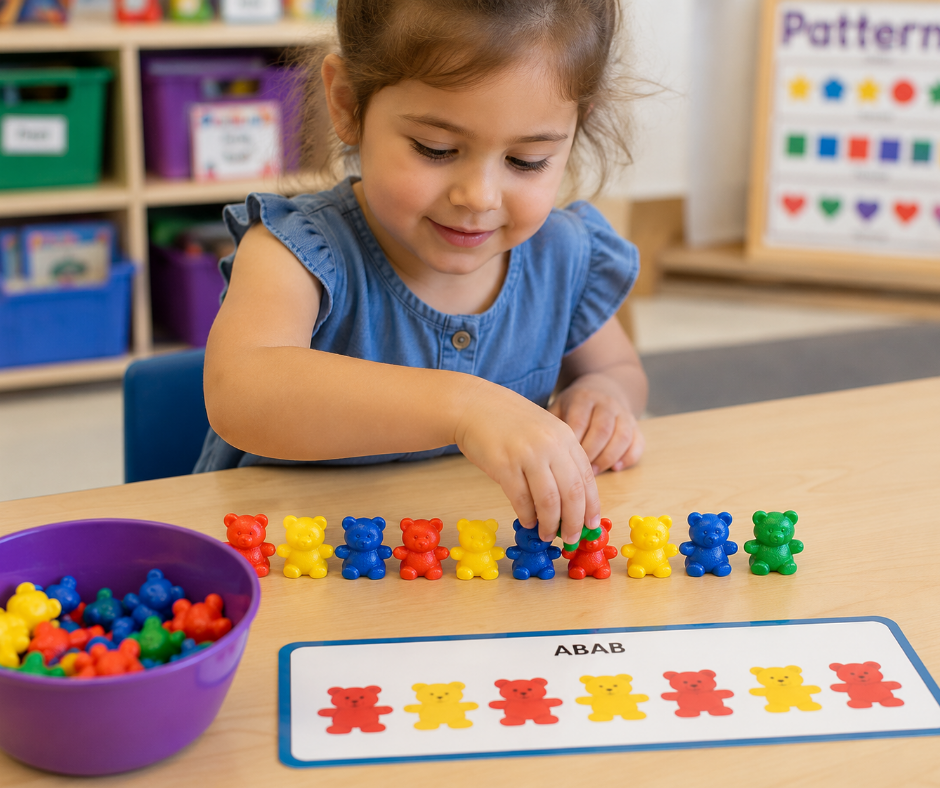
Counting spaces on a game board, matching shapes, sorting colors, recognizing patterns, and comparing sizes all introduce important math concepts. Games help children develop number sense without making math feel intimidating.
They Develop Fine Motor Skills
Picking up game pieces, spinning spinners, stacking blocks, rolling dice, and placing cards all strengthen the small muscles in children’s hands and fingers. These muscles are essential for future skills like writing, cutting with scissors, and buttoning clothes.
They Encourage Problem-Solving
Games teach children to think before they act. They learn to make choices, solve simple challenges, remember rules, and figure out different ways to reach a goal. These problem-solving skills will benefit them far beyond preschool.
They Improve Memory and Concentration
Matching games, sequencing activities, and simple board games encourage children to remember information, pay attention, and stay focused for longer periods of time. These skills help prepare them for success in school.
They Teach Important Social Skills
Some of life’s biggest lessons happen around the game table. Preschoolers learn how to take turns, share materials, follow rules, cheer for others, handle disappointment, and celebrate success with friends and family.
They Build Language and Communication
Playing games naturally creates conversation. As children ask questions, describe what they’re doing, follow directions, and talk with others, they expand their vocabulary and strengthen their communication skills.
They Grow Confidence
There’s nothing quite like the smile on a preschooler’s face when they solve a puzzle, find the right letter, or win a game for the first time. Every success—big or small—helps children believe in themselves and gives them the confidence to keep trying new things.
They Create Meaningful Family Time
Some of my favorite learning moments happen when families gather around a table to play together. Educational games create opportunities to laugh, encourage one another, and make memories that children will treasure long after they’ve mastered their ABCs and numbers.
More Than Just a Game
The best educational games don’t simply prepare children for kindergarten—they prepare them for life. They teach patience, perseverance, curiosity, cooperation, and a love of learning that can last for years to come.
What I Look for in a Great Preschool Game
Not every toy labeled “educational” truly helps children learn. As both an early childhood educator and a mom, I’ve learned that the best preschool games do much more than keep little hands busy—they spark curiosity, encourage conversation, and invite children to learn through meaningful play.
When I’m choosing a game for my classroom, my own family, or recommending one to parents, here are the qualities I look for.
It Encourages Learning Through Play
Preschoolers learn best when they don’t realize they’re learning. The best games naturally introduce important concepts like letters, numbers, colors, shapes, and problem-solving while children are simply having fun.
If a child asks, “Can we play again?” that’s usually a sign you’ve found a great educational game.
It’s Age-Appropriate
A game that’s too difficult quickly becomes frustrating, while one that’s too easy loses a child’s interest. Great preschool games are designed for short attention spans, simple directions, and growing minds.
Look for games that offer just the right amount of challenge while allowing children to experience success.
It Builds Multiple Skills
My favorite games teach more than one thing at a time.
For example, a simple alphabet game might also strengthen:
- Fine motor skills
- Listening skills
- Memory
- Turn-taking
- Problem-solving
- Language development
The more learning opportunities packed into one game, the better.
It Gets Children Moving
Young children aren’t meant to sit still for long periods of time. Games that encourage movement—whether swatting alphabet flies, hopping to letters, tossing beanbags, or racing to match pictures—keep children engaged while supporting healthy physical development.
Movement also helps many preschoolers remember what they’re learning.
It Encourages Conversation
Some of the best learning happens through talking. I love games that naturally lead to questions like:
“What letter is that?”
“Can you find another one?”
“What animal starts with B?”
These simple conversations build vocabulary, strengthen communication skills, and create wonderful opportunities for connection.
It’s Durable and Easy to Use
Let’s be honest—preschoolers can be tough on toys! I appreciate games with sturdy pieces that can stand up to frequent use and are easy to set up and put away.
If a game takes thirty minutes to prepare, it’s much less likely to become part of your regular routine.
It Can Grow With Your Child
The very best educational games can be used in different ways as your child develops.
An alphabet game, for example, might begin with simply naming letters. Later, you can use the same game to practice:
- Letter sounds
- Beginning sounds
- Uppercase and lowercase matching
- Simple spelling
- Sight words
One great game can provide years of learning.
It Brings Families Together
Some of my favorite childhood memories happened around the kitchen table playing games with my family. That’s one reason I love educational games—they create opportunities to laugh together, encourage one another, and spend quality time without a screen.
Children may eventually outgrow a game, but they’ll remember the joyful moments they shared with the people who played alongside them.
Most of All… It’s Fun!
If a game isn’t fun, children probably won’t ask to play it again.
The best educational games are the ones that make children smile, laugh, think, explore, and celebrate their successes. When learning feels like play, children become excited about discovering new things—and that’s exactly the kind of love for learning we want to nurture.
That’s the standard I use when recommending games. Every game in this list has something valuable to offer, not just because it teaches an academic skill, but because it encourages curiosity, confidence, creativity, and meaningful time together.
My Favorite Educational Games for Preschoolers
1. Alphabet Fly Swat Felt Set (26 Letter Flies with 4 Swatters)
The Alphabet Fly Swat Game is one of my favorite hands-on literacy games for preschoolers. If you’ve ever struggled to keep your child interested in practicing letters, this game changes everything. Instead of sitting with flashcards, children get to move, laugh, and actively hunt for letters, making learning feel like an exciting game.
As an early childhood educator, I love activities that get children out of their seats while reinforcing important skills. This game does exactly that. Whether you’re teaching one child at home or a whole preschool classroom, it’s simple to set up and children almost always ask to play again.
What It Teaches
- Uppercase letter recognition
- Lowercase letter recognition
- Letter matching
- Beginning letter sounds
- Alphabet sequencing
- Listening skills
- Following directions
Recommended Age
Ages 3–6
Perfect for preschool, Pre-K, kindergarten readiness, homeschool, daycare, and literacy centers.
Why I Love It
Children learn best when they’re moving. Instead of staring at a worksheet, they’re actively searching for letters, listening for directions, and racing to find the correct fly. It turns alphabet practice into an adventure.
I also appreciate that the game can grow with your child. Younger preschoolers can simply identify letters, while older children can practice letter sounds, beginning sounds, uppercase and lowercase matching, or even simple sight words.
Another bonus? The felt flies are lightweight, colorful, and large enough for little hands, making them easy to handle and fun to use.
Skills Developed
✔ Letter Recognition
✔ Uppercase & Lowercase Matching
✔ Beginning Sounds
✔ Listening & Following Directions
✔ Gross Motor Skills
✔ Hand-Eye Coordination
✔ Attention & Focus
✔ Turn-Taking
✔ Social Skills
Ways to Extend the Learning
The possibilities go far beyond the basic game! Here are some fun ways to keep learning fresh:
- Word Wall Challenge: Hang the flies on your classroom or homeschool word wall. Call out a letter, and let your child swat the correct one.
- Beginning Sound Hunt: Say a word like “ball.” Ask your child to swat the letter B.
- Uppercase to Lowercase Match: Place uppercase flies on one side of the room and lowercase flies on the other. Have children find the matching pair.
- Alphabet Order Race: Challenge your child to place the flies in ABC order.
- Name Game: Ask your child to find the first letter of their name or the names of family members.
- Sight Word Practice: Write simple sight words on sticky notes and have your child swat the first letter before reading the word.
- Movement Game: Call out a letter and have children hop, skip, or tiptoe to the correct fly before swatting it.
Perfect For
- Preschool classrooms
- Homeschool lessons
- Literacy centers
- Kindergarten readiness
- Small groups
- One-on-one intervention
- Family game nights
- Rainy day indoor activities
My Recommendation
If you’re looking for one alphabet game that combines movement, laughter, and meaningful learning, this is an excellent choice. It encourages active participation, keeps preschoolers engaged, and provides countless ways to build early literacy skills. It’s the kind of game children ask to play again—and that’s exactly what makes it such a valuable learning tool
2. The Fidget Game ABC Bingo (Ages 3+)
If you’re looking for a game that combines letter recognition with sensory play, The Fidget Game ABC Bingo is a fantastic choice. It takes the classic game of bingo and adds colorful pop-it style fidget pieces that keep little hands busy while their brains are learning.
Preschoolers love the excitement of searching for letters and covering them with the fidget pieces. It’s an engaging way to practice the alphabet while building focus, attention, and fine motor skills.
Whether you’re playing with one child or a small group, this game encourages active participation and makes learning letters feel like a celebration instead of a lesson.
What It Teaches
- Uppercase letter recognition
- Letter identification
- Visual discrimination
- Listening skills
- Vocabulary development
- Turn-taking
- Matching skills
Recommended Age
Ages 3+
Perfect for preschool, Pre-K, homeschool, daycare, literacy centers, and family game night.
Why I Love It
ABC Bingo is a preschool classic because it’s easy for children to understand and exciting every time they play. Adding colorful fidget markers gives children a hands-on sensory experience that helps keep them engaged from beginning to end.
I also appreciate that this game works well with multiple players. Children naturally practice waiting their turn, cheering for others, and following directions while strengthening important early literacy skills.
It’s simple enough for beginners but flexible enough to grow with your child as their letter knowledge expands.
Skills Developed
✔ Letter Recognition
✔ Visual Discrimination
✔ Listening & Attention
✔ Fine Motor Skills
✔ Hand-Eye Coordination
✔ Memory
✔ Social Skills
✔ Turn-Taking
✔ Patience
Ways to Extend the Learning
Don’t stop with traditional bingo! Try these fun variations:
- Letter Sound Bingo: Instead of calling the letter name, say its sound and have children find the matching letter.
- Beginning Sound Challenge: Call out a word like “sun” and let children cover the letter S.
- Color Challenge: Ask children to use only one color of fidget marker for an entire round.
- Name Hunt: Have children cover the letters found in their own names.
- Alphabet Race: After the game, ask children to place the covered letters in alphabetical order.
- Mystery Letter: Give clues about a letter instead of saying its name. For example, “This letter makes the /m/ sound.”
Perfect For
- Preschool classrooms
- Homeschool lessons
- Literacy centers
- Small groups
- Family game nights
- Kindergarten readiness
- Rainy day learning
- Speech and language activities
My Recommendation
The Fidget Game ABC Bingo is an excellent way to reinforce alphabet skills while giving preschoolers the sensory experience they naturally enjoy. It’s easy to learn, encourages social interaction, and provides plenty of opportunities to practice letters through play. If your child loves bingo or fidget toys, this game is sure to become a favorite
3. Colorful Counting Bears with Matching Cups (100-Piece Set)
If I could recommend just one math manipulative for preschoolers, counting bears would be near the top of my list. These colorful little bears may look simple, but they can be used to teach dozens of early learning concepts—from counting and sorting to patterns, graphing, and simple addition.
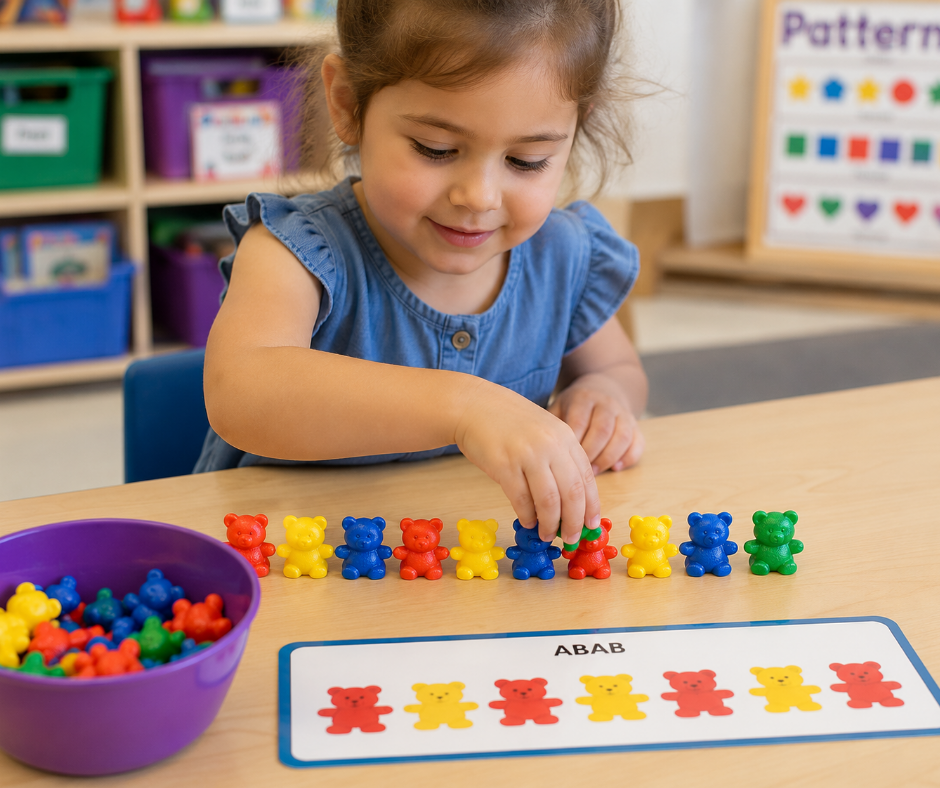
As an early childhood educator, I’ve used counting bears in countless activities because they’re so versatile. Children love the bright colors and cute bear shapes, and they don’t even realize how much they’re learning while they play.
Whether you’re homeschooling, teaching preschool, or simply looking for educational toys to use at home, this is one resource that you’ll reach for again and again.
What It Teaches
- Counting
- One-to-one correspondence
- Color recognition
- Sorting and classifying
- Patterning
- Number recognition
- Comparing quantities (more, less, equal)
- Simple addition and subtraction
- Graphing
- Fine motor skills
Recommended Age
Ages 3–6
Perfect for preschool, Pre-K, homeschool, kindergarten readiness, math centers, and independent learning.
Why I Love It
Counting bears are one of those timeless educational toys that grow with your child. A three-year-old may simply sort them by color, while an older preschooler can use them to create patterns, solve simple math problems, or practice counting to 100.
I especially love that they’re completely open-ended. There are no batteries, no complicated instructions, and no “right” way to play. Children naturally begin exploring, creating, and asking questions—which is exactly how meaningful learning happens.
They’re also durable enough to last for years and can be used across multiple subjects, making them one of the best values for parents and teachers.
Skills Developed
✔ Counting
✔ Color Recognition
✔ Sorting & Classifying
✔ Pattern Recognition
✔ Early Addition & Subtraction
✔ Fine Motor Skills
✔ Logical Thinking
✔ Problem-Solving
✔ Vocabulary Development
✔ Attention & Focus
Ways to Extend the Learning
The learning possibilities are endless! Here are a few of my favorite activities:
- Color Sort: Match each bear to the cup with the same color.
- Make Patterns: Create simple patterns like ABAB, AABB, or ABC and let your child continue them.
- Count and Fill: Roll a die and place that many bears into a matching cup.
- Build Number Sense: Place the correct number of bears under number cards from 1–10 or beyond.
- Compare Quantities: Ask, “Which cup has more bears? Which has fewer?”
- Simple Addition: Combine two groups of bears and count how many there are altogether.
- Graph the Bears: Count how many bears are in each color and make a simple bar graph.
- Story Problems: “Three red bears are having a picnic. Two blue bears join them. How many bears are there now?”
- Hide-and-Seek Bears: Hide bears around the room and have your child count each one they find.
- Sensory Bin Fun: Add the bears to a sensory bin with rice, beans, or pom-poms for an extra layer of discovery.
Perfect For
- Preschool classrooms
- Homeschool math lessons
- Montessori-inspired learning
- STEM activities
- Math centers
- Quiet time
- Independent play
- Occupational therapy activities
- Kindergarten readiness
My Recommendation
Every preschool home or classroom should have a set of counting bears. They’re inexpensive, incredibly versatile, and can be used in hundreds of different ways. From teaching colors and counting to introducing patterns and beginning math concepts, these little bears make learning hands-on, meaningful, and fun. It’s one of those educational tools you’ll find yourself reaching for year after year
4. Gemmicc 100-Piece Magnetic Tiles with 2 Cars
Magnetic tiles have become one of the most popular STEM toys for preschoolers—and for good reason. They inspire creativity, encourage problem-solving, and give children endless opportunities to build, explore, and experiment. The Gemmicc 100-Piece Magnetic Tile Set includes colorful magnetic shapes and two cars, making it even more exciting for little builders.
Whether your child is constructing a castle, designing a race track, or creating colorful patterns, they’re developing important early learning skills without even realizing it.
As an early childhood educator, I love open-ended toys like magnetic tiles because there isn’t just one “right” way to play. Every child can create something unique while building confidence and imagination.
What It Teaches
- STEM concepts
- Spatial awareness
- Engineering basics
- Problem-solving
- Shape recognition
- Color recognition
- Creative thinking
- Balance and design
- Cause and effect
- Teamwork
Recommended Age
Ages 3–8
Perfect for preschool, kindergarten, homeschool, STEM centers, and family play.
Why I Love It
Magnetic tiles are one of those toys that children return to again and again. Every play session is different, which keeps the toy fresh and engaging. Unlike toys with a single purpose, magnetic tiles grow alongside your child.
I especially like that this set includes two magnetic cars. They add a whole new level of imaginative play as children build garages, bridges, roads, tunnels, parking garages, and race tracks before sending their cars on exciting adventures.
This is also one of my favorite toys for siblings because children naturally work together to plan, build, and solve problems.
Skills Developed
✔ STEM Learning
✔ Creativity
✔ Fine Motor Skills
✔ Engineering Skills
✔ Spatial Awareness
✔ Critical Thinking
✔ Problem-Solving
✔ Hand-Eye Coordination
✔ Imaginative Play
✔ Cooperation
Ways to Extend the Learning
Magnetic tiles can be used in countless ways beyond free building:
- Build the Alphabet: Form uppercase and lowercase letters using the magnetic tiles.
- Create Shapes: Challenge your child to build squares, rectangles, triangles, hexagons, and other geometric shapes.
- Build a Zoo: Construct animal homes and use toy animals for imaginative play.
- Design a City: Create roads, bridges, schools, hospitals, and houses for the included cars.
- Pattern Challenge: Make colorful ABAB or ABC patterns using different tile colors.
- Count While You Build: Count how many tiles are needed to complete each structure.
- Copy My Design: Build a simple structure and have your child recreate it.
- Engineering Challenge: See who can build the tallest tower or the strongest bridge without it falling.
- Storytelling: Build castles, rocket ships, or villages and create stories together.
- Light Table Exploration: Place the magnetic tiles on a light table or in front of a sunny window to explore colors and transparency.
Perfect For
- Preschool classrooms
- Homeschool STEM lessons
- Kindergarten readiness
- STEM and maker spaces
- Quiet independent play
- Small group activities
- Family game time
- Rainy day indoor fun
My Recommendation
If you’re looking for a toy that combines creativity, engineering, and problem-solving, magnetic tiles are hard to beat. The Gemmicc 100-Piece Set offers endless possibilities for open-ended play, making it a toy that children won’t outgrow quickly. It’s a worthwhile investment because it encourages imagination while building foundational STEM skills that will benefit children for years to come
5. BEESTECH Alphabet ABC Learning Toy (Wooden Letter Matching Game)
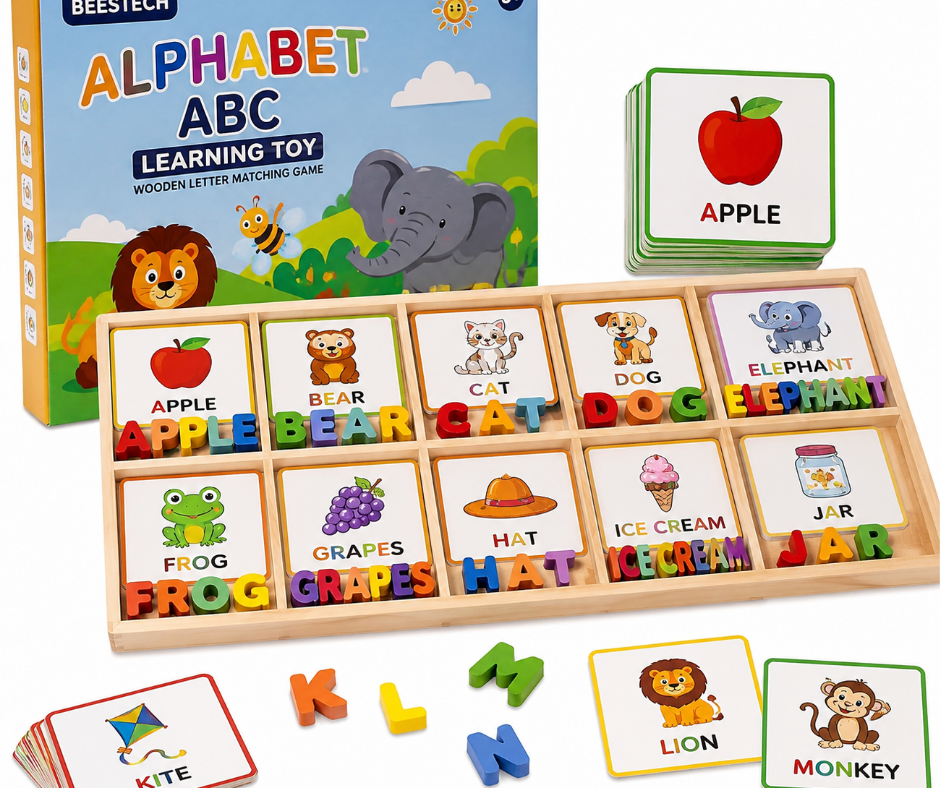
If you’re looking for a fun way to introduce your preschooler to the alphabet, the BEESTECH Alphabet ABC Learning Toy is an excellent choice. This hands-on learning set combines colorful wooden letters with matching flash cards, giving children a playful way to recognize letters, build words, and develop early reading skills.
Unlike traditional flashcards, this activity encourages children to touch, move, and match each wooden letter. That hands-on experience helps many preschoolers learn and remember letters more easily.
As an early childhood educator, I especially appreciate learning toys that allow children to discover answers independently. This game encourages exploration while building confidence with every successful match.
What It Teaches
- Uppercase letter recognition
- Letter matching
- Beginning phonics
- Early spelling
- Vocabulary development
- Picture-word association
- Problem-solving
- Fine motor skills
Recommended Age
Ages 3–5
Perfect for preschool, Pre-K, homeschool, kindergarten readiness, literacy centers, and quiet learning time.
Why I Love It
This is much more than an alphabet puzzle. Children aren’t simply memorizing letters—they’re connecting letters with pictures and beginning words, which lays a strong foundation for reading.
The wooden pieces are durable, easy for little hands to grasp, and encourage children to slow down and think as they find the correct match. I also love that the self-correcting nature of the puzzle gives children a sense of independence. They can often figure things out on their own without constant adult help.
It’s one of those activities that feels like a game while quietly strengthening important pre-reading skills.
Skills Developed
✔ Letter Recognition
✔ Beginning Phonics
✔ Vocabulary Development
✔ Picture-Word Matching
✔ Fine Motor Skills
✔ Visual Discrimination
✔ Problem-Solving
✔ Memory
✔ Concentration
✔ Independent Learning
Ways to Extend the Learning
The learning doesn’t have to stop once the puzzle is complete!
- Letter Sound Practice: Say the sound of each letter as your child places it in the puzzle.
- Find the Beginning Sound: Ask, “What letter does apple begin with?” before matching the card.
- Alphabet Order: Put the wooden letters in ABC order after each activity.
- Name Building: Use the wooden letters to spell your child’s name and the names of family members.
- Letter Hunt: Search your house for objects that begin with the same letter as the puzzle card.
- Mystery Letter: Give clues instead of saying the letter. For example, “I’m thinking of a letter that says /b/.”
- Word Building: As your child grows, use the wooden letters to build simple CVC words like cat, dog, sun, and hat.
- Sorting Game: Sort the cards by beginning sound or by categories such as animals, foods, or household objects.
Perfect For
- Preschool classrooms
- Homeschool literacy lessons
- Kindergarten readiness
- Learning centers
- Independent work
- Speech and language practice
- Quiet time activities
- Traveling and on-the-go learning
My Recommendation
The BEESTECH Alphabet Learning Toy is a wonderful addition to any preschool learning space. It combines tactile learning, letter recognition, and early phonics into one engaging activity that children genuinely enjoy. Because it grows from simple letter matching to beginning reading activities, it’s a toy your child can continue using as their literacy skills develop. For families looking to build a strong reading foundation through play, this is an easy recommendation
6. LeapFrog Magic Adventures Globe
One of the best ways to spark a preschooler’s curiosity is to help them discover the world beyond their own backyard. The LeapFrog Magic Adventures Globe does exactly that by turning geography into an exciting, interactive adventure.
Using the attached stylus, children can tap countries, oceans, landmarks, animals, and more to hear fun facts and watch educational BBC videos on the built-in screen. The globe includes thousands of facts, over five hours of educational videos, and interactive games that introduce children to geography, science, cultures, and wildlife.
As an early childhood educator, I love educational toys that encourage curiosity. This globe inspires children to ask questions, explore new places, and develop a love for learning about the world.
What It Teaches
- Geography
- Continents and oceans
- Countries and capitals
- Animals and habitats
- World cultures
- Landmarks
- Science
- Listening comprehension
- Vocabulary
- Curiosity about the world
Recommended Age
Ages 5–7 (Older preschoolers and early elementary students will enjoy it most.)
Perfect for homeschool, kindergarten, elementary classrooms, STEM learning, and family exploration.
Why I Love It
This is so much more than a globe. Instead of simply looking at a map, children become explorers. Every tap with the stylus opens a new adventure filled with fascinating facts, colorful animations, and real BBC videos that bring the world to life.
I especially appreciate that it introduces children to different countries and cultures at an early age. Helping children understand that the world is filled with diverse people, languages, animals, and traditions encourages both curiosity and empathy.
The built-in games also make learning feel like an adventure instead of a lesson.
Skills Developed
✔ Geography Knowledge
✔ Science Exploration
✔ Listening Skills
✔ Vocabulary Development
✔ Memory
✔ Critical Thinking
✔ Curiosity
✔ World Awareness
✔ Independent Learning
✔ Technology Skills
Ways to Extend the Learning
Learning doesn’t stop when the globe is turned off!
- Find Your Home: Locate your state and talk about where you live.
- Animal Adventure: Tap different countries and learn which animals live there, then find more information in books or online.
- Passport Play: Pretend to travel to a new country each week and learn a greeting, food, or tradition from that place.
- Map It Out: After exploring a country on the globe, find it again on a paper map or world atlas.
- Flag Match: Draw or print flags from countries your child discovers.
- Around the World Snack Day: Choose a country and make a simple recipe inspired by its cuisine.
- Travel Journal: Let your child draw a picture of their favorite place they “visited” on the globe.
- Animal Habitat Match: Pair toy animals with the continents where they naturally live.
Perfect For
- Homeschool geography
- STEM learning
- Kindergarten readiness
- Elementary enrichment
- Family learning nights
- Curious young explorers
- Gift ideas
- Screen time with educational value
My Recommendation
The LeapFrog Magic Adventures Globe is one of those educational toys that grows with your child. Younger children enjoy discovering animals and landmarks, while older children can dive deeper into geography, science, and world cultures. If you’re looking for a toy that encourages curiosity and helps children see just how amazing our world is, this interactive globe is a fantastic investment. It’s the kind of educational toy that children return to again and again because every tap leads to a new discovery
7. Montessori Matching Letter Game (Wooden Spelling & Letter Matching Set)
If you’re searching for a hands-on toy that helps preschoolers move from recognizing letters to building simple words, the Montessori Matching Letter Game is an excellent choice. Combining wooden letter blocks with picture cards, this activity encourages children to match letters, spell simple words, and strengthen early reading skills through play.
I love Montessori-inspired learning materials because they encourage children to explore independently. Instead of simply memorizing letters, children are actively manipulating letter blocks, matching pictures, and discovering how letters work together to make words.
It’s the perfect next step for preschoolers who already know some of their alphabet and are ready to begin developing phonics and spelling skills.
What It Teaches
- Letter recognition
- Beginning phonics
- CVC word building
- Early spelling
- Vocabulary development
- Picture-word association
- Reading readiness
- Fine motor skills
Recommended Age
Ages 3–6
Perfect for preschool, Pre-K, homeschool, kindergarten readiness, literacy centers, and independent learning.
Why I Love It
One of my favorite things about this game is that it builds confidence. Children receive immediate visual feedback as they place the correct letters into the wooden tray, allowing them to self-correct and learn independently.
I also appreciate that it naturally develops phonemic awareness. Instead of simply identifying letters, children begin hearing sounds within words and matching those sounds to the correct letters—one of the most important skills for future reading success.
The larger wooden pieces are sturdy, easy for little hands to hold, and the storage box keeps everything organized between play sessions.
Skills Developed
✔ Letter Recognition
✔ Beginning Phonics
✔ Early Spelling
✔ Reading Readiness
✔ Vocabulary Development
✔ Fine Motor Skills
✔ Visual Discrimination
✔ Problem-Solving
✔ Concentration
✔ Independent Learning
Ways to Extend the Learning
There are so many ways to use this game beyond the included picture cards!
- Stretch the Word: Slowly say each sound (“/c/…/a/…/t/”) and let your child build the word one letter at a time.
- Beginning Sound Challenge: Cover part of the picture and ask, “What letter does this word start with?”
- Name Practice: Spell your child’s name and the names of family members using the wooden letters.
- Mystery Word: Build a simple three-letter word and have your child sound it out.
- Letter Hunt: Find household objects that begin with the same sound as one of the picture cards.
- Word Families: Practice simple word families like cat, bat, hat, and sat by changing only the first letter.
- Memory Game: Show a completed word for a few seconds, hide it, and challenge your child to rebuild it from memory.
- Sorting Activity: Group cards by beginning sounds, ending sounds, or categories such as animals, foods, and household objects.
Perfect For
- Preschool classrooms
- Homeschool literacy lessons
- Kindergarten readiness
- Literacy centers
- Independent work stations
- Speech and language activities
- Quiet learning time
- Montessori-inspired learning
My Recommendation
The Montessori Matching Letter Game is one of my favorite early literacy toys because it grows alongside your child. Young preschoolers can begin by matching letters and pictures, while older children can practice sounding out words, spelling, and even creating their own simple words. It’s an engaging, screen-free activity that builds a strong reading foundation through meaningful, hands-on play—and one you’ll likely reach for again and again
8. Magnetic Wooden Fishing Game with Letters and Numbers
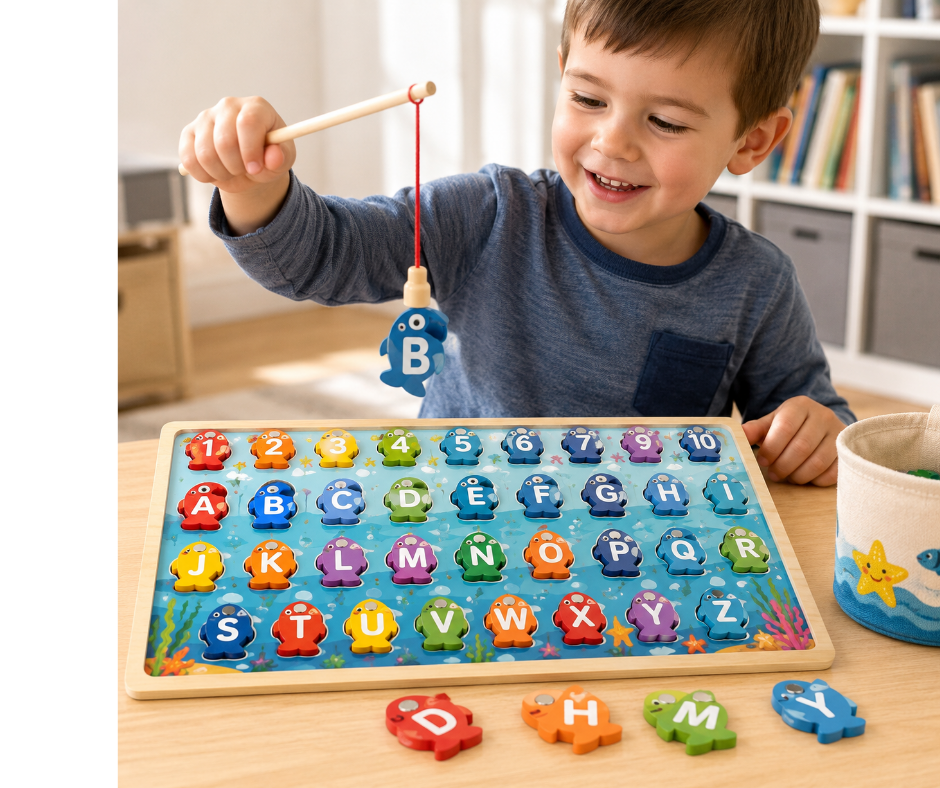
The Magnetic Wooden Fishing Game turns alphabet and number practice into an exciting hands-on activity. Children use the magnetic fishing pole to catch colorful fish featuring letters and numbers, then match each fish to the correct place on the wooden puzzle board.
Preschoolers are naturally drawn to activities that involve movement and a challenge. Trying to hook each fish keeps little learners interested while they practice important early literacy, math, and motor skills.
What It Teaches
- Uppercase letter recognition
- Number recognition
- Alphabet order
- Counting
- Color recognition
- Matching
- Hand-eye coordination
- Fine motor control
- Patience and concentration
Recommended Age
Ages 3–5
This game is ideal for preschool, Pre-K, homeschool, learning centers, quiet play, and kindergarten-readiness practice.
Why I Love It
This game combines several valuable learning areas in one simple activity. Children practice identifying letters and numbers while strengthening the small muscles in their hands as they carefully guide the magnetic fishing pole.
I also love that the fishing element makes repetition feel fun. Preschoolers can catch the same letters and numbers many times without feeling as though they are completing a traditional lesson.
The wooden puzzle board adds another layer of learning because children must examine each space, find the correct match, and place the piece in its proper location.
Skills Developed
✔ Letter Recognition
✔ Number Recognition
✔ Counting
✔ Alphabet Sequencing
✔ Fine Motor Development
✔ Hand-Eye Coordination
✔ Visual Discrimination
✔ Problem-Solving
✔ Focus and Patience
✔ Turn-Taking
Ways to Extend the Learning
Catch a Letter
Call out a letter and ask your child to catch the matching fish. Once they catch it, encourage them to say the letter’s sound.
Beginning-Sound Fishing
Say a word such as ball, sun, or cat. Ask your child to catch the letter that makes the beginning sound.
Fish for Your Name
Help your child catch the letters in their name. Place the letters in order after each one is caught.
Number Fishing
Call out a number and have your child catch it. Then ask them to count out that many blocks, buttons, bears, or crackers.
Before and After
After your child catches a letter or number, ask what comes before it and what comes next.
Color Hunt
Ask your child to catch a fish of a particular color. This is a simple way to include color recognition for younger preschoolers.
Fishing Race
Place the fish on the floor and invite two children to take turns catching them. Keep the focus on cooperation rather than speed.
Simple Math Problems
Have your child catch two numbers. Use small objects to model adding the numbers together.
Perfect For
- Preschool classrooms
- Homeschool activities
- Alphabet and math centers
- Kindergarten preparation
- Independent learning
- Occupational therapy activities
- Small-group instruction
- Family learning games
My Recommendation
The Magnetic Wooden Fishing Game is a playful choice for children who enjoy puzzles, pretend play, and hands-on challenges. It reinforces letters, numbers, counting, and matching while also building the coordination children need for writing and other everyday tasks.
Because it blends literacy, math, and fine motor practice into one engaging game, it can become a useful addition to a preschool learning area at home or in the classroom. Adult supervision is important because the set contains small pieces and magnetic components
9. LiKee Wooden Shape Puzzle with 36 Blocks and 60 Design Cards
The LiKee Wooden Shape Puzzle is a wonderful open-ended learning toy for preschoolers who enjoy building, matching, and creating. The set includes colorful wooden geometric pieces and design cards that children can copy, but it also encourages them to invent their own pictures and patterns.
I especially like toys that can be used in more than one way. A child may begin by matching shapes to a simple card, then move on to completing more challenging designs, creating patterns, or building an original picture from their imagination.
What It Teaches
- Shape recognition
- Color recognition
- Patterning
- Spatial awareness
- Visual discrimination
- Problem-solving
- Early geometry
- Creativity
- Fine motor control
- Concentration
Recommended Age
Ages 3 and older
This toy works well for preschool, Pre-K, homeschool, kindergarten readiness, quiet time, math centers, and independent learning.
Why I Love It
This puzzle offers a nice balance of structured learning and open-ended play. The design cards give children a clear challenge to complete, while the loose wooden pieces allow them to experiment and create freely.
Copying a picture from a card requires children to notice details such as shape, size, direction, color, and position. Those are important early math and visual-processing skills.
The game can also grow with your child. Younger preschoolers may sort the blocks or identify colors and shapes, while older children can work through more difficult cards and design their own pictures.
Skills Developed
✔ Shape Recognition
✔ Color Recognition
✔ Patterning
✔ Spatial Reasoning
✔ Fine Motor Skills
✔ Hand-Eye Coordination
✔ Visual Memory
✔ Problem-Solving
✔ Creativity
✔ Focus and Persistence
Ways to Extend the Learning
Copy the Card
Choose a simple design card and help your child find the pieces needed to recreate the picture.
Finish the Pattern
Create a basic pattern such as triangle, square, triangle, square. Ask your child what should come next.
Shape Hunt
Name a shape and ask your child to find every matching piece. You can also search the room for real objects with the same shape.
Build a Picture
Invite your child to use the blocks to create a house, flower, animal, rocket, person, or anything else they can imagine.
Memory Challenge
Let your child study a completed design for a few seconds. Cover it, mix up the pieces, and see how much they can rebuild from memory.
Sort and Count
Sort the blocks by shape, size, or color. Count how many pieces are in each group and compare which group has more or fewer.
Make a Symmetrical Design
Create one side of a simple picture and ask your child to make the other side match.
Tell a Story
After building a picture, encourage your child to create a story about it. This adds language development and imaginative play to the activity.
Perfect For
- Preschool classrooms
- Homeschool math activities
- Montessori-inspired learning
- Quiet-time play
- Independent work stations
- Early geometry practice
- Occupational therapy activities
- Travel and screen-free entertainment
My Recommendation
The LiKee Wooden Shape Puzzle is a strong choice for parents and teachers who want a toy that supports both guided learning and creativity. It introduces children to shapes, colors, patterns, and spatial relationships while also encouraging them to think independently.
Because there are so many ways to arrange the pieces, the activity stays interesting long after children have completed the included design cards. It is the kind of simple, screen-free toy that can support years of playful learning
10. Apluses 42-Piece Magnetic Building Blocks
If your preschooler loves to build, create, and explore, the Apluses Magnetic Building Blocks are a fantastic addition to your toy collection. These colorful magnetic blocks snap together easily, allowing children to design everything from simple towers to castles, robots, animals, and imaginative creations.
As an early childhood educator, I love open-ended toys because they encourage children to think creatively instead of simply following directions. Every building session is different, giving children endless opportunities to experiment, solve problems, and learn through play.
Whether your child enjoys independent play or building alongside siblings and friends, these magnetic blocks inspire creativity while strengthening important STEM skills.
What It Teaches
- Engineering basics
- STEM concepts
- Spatial reasoning
- Shape recognition
- Color recognition
- Balance and stability
- Creative thinking
- Problem-solving
- Cause and effect
- Teamwork
Recommended Age
Ages 3–8
Perfect for preschool, Pre-K, homeschool, kindergarten, STEM centers, sensory play, and family learning.
Why I Love It
Magnetic building toys are some of the most versatile educational toys available. There are no batteries, flashing lights, or complicated instructions—just open-ended opportunities to create.
I especially appreciate how easy these blocks are for little hands to connect. Young builders experience success quickly, which builds confidence and encourages them to try increasingly complex designs.
Because the possibilities are nearly endless, children continue returning to these blocks long after many other toys have lost their appeal. They’re also wonderful for collaborative play, helping children learn to share ideas, communicate, and work together.
Skills Developed
✔ STEM Learning
✔ Engineering Skills
✔ Creativity
✔ Problem-Solving
✔ Fine Motor Development
✔ Spatial Awareness
✔ Hand-Eye Coordination
✔ Critical Thinking
✔ Cooperative Play
✔ Perseverance
Ways to Extend the Learning
Here are some creative ways to get even more learning from this set:
- Tallest Tower Challenge: See how tall your child can build before the tower tips over.
- Copy My Design: Build a simple structure and ask your child to recreate it.
- Color Patterns: Build repeating color patterns such as red-blue-red-blue or red-yellow-green.
- Shape Hunt: Identify the different geometric shapes used in the blocks and look for those shapes around your home.
- Build the Alphabet: Challenge your child to create uppercase letters using the magnetic pieces.
- Story Building: Construct a castle, farm, zoo, or rocket ship, then encourage your child to invent a story about it.
- Bridge Test: Build a bridge and see how many small toy cars or counting bears it can hold before collapsing.
- Symmetry Challenge: Build one side of a design and have your child create the matching side.
- Sorting Activity: Sort the blocks by shape, size, or color before building.
- Shadow Play: Place finished creations near a window or flashlight and explore the interesting shadows they create.
Perfect For
- Preschool classrooms
- Homeschool STEM lessons
- Montessori-inspired learning
- Kindergarten readiness
- Sensory play
- Independent learning
- Family game nights
- Rainy day activities
- Small group collaboration
My Recommendation
The Apluses Magnetic Building Blocks are one of those toys that truly grows with your child. Younger preschoolers enjoy stacking and connecting pieces, while older children begin designing more detailed buildings and solving engineering challenges.
Because they’re open-ended, durable, and encourage creativity, these magnetic blocks provide countless opportunities for meaningful play. If you’re looking for an educational toy that combines STEM learning, imagination, and hands-on fun, this is one I would gladly recommend to families, teachers, and homeschoolers alike
11. Lite-Brite Classic
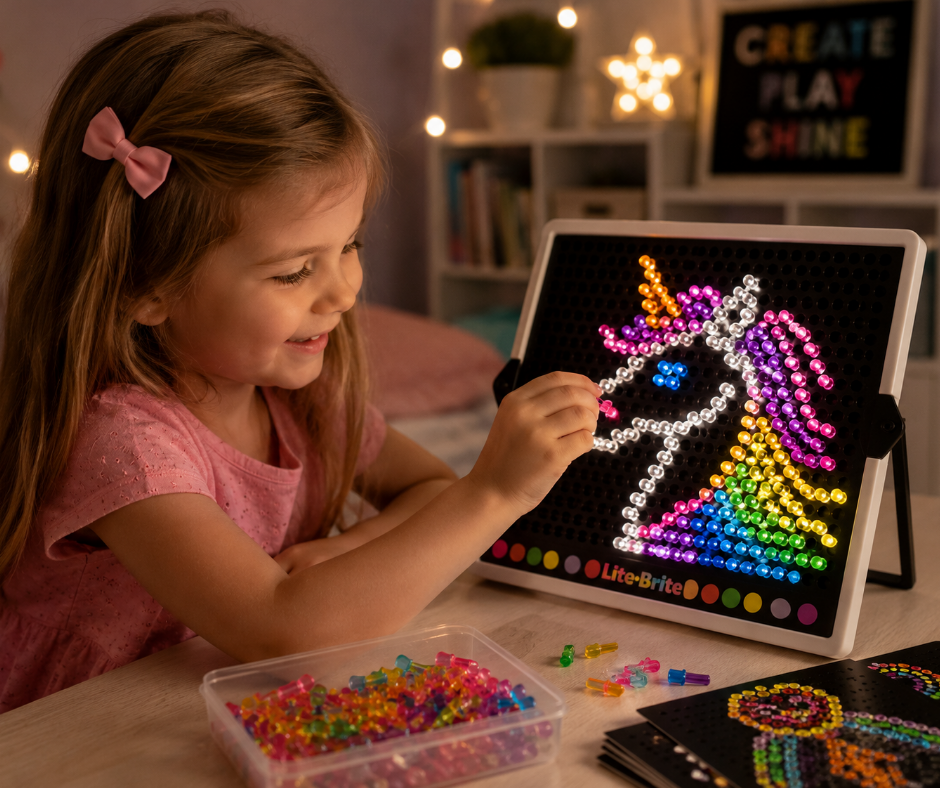
The Lite-Brite Classic has been inspiring children’s creativity for generations, and it’s still one of my favorite screen-free toys. Using colorful pegs and illuminated design templates, children create glowing pictures while strengthening important early learning skills.
Although many people think of Lite-Brite as simply an art toy, it actually supports fine motor development, creativity, planning, and problem-solving. Preschoolers carefully place each peg into the correct hole, building patience and concentration one picture at a time.
As an early childhood educator, I love activities that combine creativity with skill-building, and Lite-Brite does exactly that.
What It Teaches
- Color recognition
- Pattern recognition
- Fine motor skills
- Hand-eye coordination
- Creativity
- Spatial awareness
- Visual discrimination
- Problem-solving
- Planning and sequencing
- Concentration
Recommended Age
Ages 4 and up
Perfect for older preschoolers, kindergarten, homeschool, quiet time, art centers, and rainy-day activities.
Why I Love It
Lite-Brite is one of those rare toys that naturally slows children down. Instead of rushing through an activity, children carefully choose colors, place pegs, and watch their artwork come to life.
I also appreciate that there isn’t just one way to use it. Children can follow the included templates or create completely original masterpieces. Open-ended creativity encourages confidence because there are no wrong answers.
Another bonus? Turning off the lights to admire their glowing artwork never gets old!
Skills Developed
✔ Fine Motor Skills
✔ Hand-Eye Coordination
✔ Creativity
✔ Color Recognition
✔ Pattern Recognition
✔ Visual Perception
✔ Spatial Awareness
✔ Focus & Attention
✔ Patience
✔ Problem-Solving
Ways to Extend the Learning
Lite-Brite offers much more than simply making pictures.
- Alphabet Art: Create uppercase and lowercase letters using different colored pegs.
- Name Practice: Spell your child’s name with glowing letters.
- Number Fun: Build numbers and count objects to match each one.
- Copy the Pattern: Design a simple picture and challenge your child to recreate it.
- Symmetry Challenge: Build one half of a picture and ask your child to complete the matching side.
- Story Time: Create a glowing picture and encourage your child to tell a story about it.
- Color Challenge: Use only one or two colors to complete an entire design.
- Seasonal Pictures: Make pumpkins, snowflakes, Christmas trees, flowers, or hearts throughout the year.
- Free Create Friday: Skip the templates and let your child design anything they can imagine.
- Glow Gallery: Display several completed creations in a dark room and let your child explain each one.
Perfect For
- Preschool classrooms
- Homeschool art lessons
- STEM and STEAM activities
- Fine motor practice
- Quiet independent play
- Rainy afternoons
- Family creativity nights
- Screen-free entertainment
- Gift giving
My Recommendation
The Lite-Brite Classic has remained popular for decades because it encourages creativity while quietly developing important school-readiness skills. It strengthens fine motor control, patience, and visual perception—all while children think they’re simply making beautiful glowing pictures.
If you’re looking for a timeless educational toy that inspires imagination and provides hours of screen-free fun, Lite-Brite is still one of the very best choices. It’s a classic for a reason, and it’s a toy many children will remember fondly long after they’ve outgrown it
12. JoyCat Wooden A–Z Animal Magnets
The JoyCat Wooden A–Z Animal Magnets make learning the alphabet feel like play. Featuring 26 colorful animal magnets—one for each letter—this set turns any magnetic surface into an interactive learning center. Whether they’re playing on the refrigerator, a magnetic easel, or a whiteboard, preschoolers can explore letters, animals, sounds, and vocabulary while staying engaged.
As an early childhood educator, I love toys that encourage everyday learning. The refrigerator often becomes one of the busiest places in a home, and these magnets transform ordinary moments into opportunities for conversation and discovery.
What It Teaches
- Uppercase letter recognition
- Animal names
- Beginning letter sounds
- Vocabulary development
- Alphabet sequencing
- Matching skills
- Color recognition
- Fine motor skills
Recommended Age
Ages 2–5
Perfect for toddlers, preschoolers, homeschool, daycare, learning centers, and kindergarten readiness.
Why I Love It
These aren’t just alphabet magnets—they’re conversation starters. Each animal gives parents a chance to introduce new vocabulary, make animal sounds, talk about habitats, and practice beginning sounds.
I also appreciate that children can play independently while still learning. Because the magnets are large and colorful, they’re easy for little hands to grasp and move around.
One of my favorite things about this toy is that it encourages learning throughout the day. While you’re making dinner or packing lunches, your child can be exploring letters right beside you.
Skills Developed
✔ Letter Recognition
✔ Beginning Sounds
✔ Vocabulary Development
✔ Animal Identification
✔ Fine Motor Skills
✔ Hand-Eye Coordination
✔ Alphabet Sequencing
✔ Memory
✔ Imagination
✔ Language Development
Ways to Extend the Learning
There are countless ways to use these magnets beyond simply sticking them on the refrigerator.
- Alphabet Order: Arrange all 26 letters from A to Z.
- Animal Sounds: Catch a magnet and imitate the animal’s sound.
- Beginning Sound Game: Ask, “Which animal starts with the /b/ sound?”
- Name Hunt: Find the first letter in your child’s name and the names of family members.
- Story Time: Pick three random animal magnets and create a silly story together.
- Sorting Challenge: Sort animals by habitat, such as farm, jungle, ocean, or forest.
- Letter Hunt: Call out a letter and race to find the matching animal.
- Rhyming Practice: Choose an animal and think of words that rhyme with its name.
- Hide-and-Seek: Hide a few magnets around the room and have your child search for them.
- Word Wall: Place a “Letter of the Week” on the refrigerator and add pictures or objects that begin with that letter.
Perfect For
- Preschool classrooms
- Homeschool literacy lessons
- Toddler learning
- Refrigerator learning stations
- Speech and language practice
- Quiet independent play
- Kindergarten readiness
- Travel to Grandma’s house or vacation rentals with magnetic surfaces
My Recommendation
The JoyCat Wooden A–Z Animal Magnets are a simple but incredibly versatile educational toy. They encourage children to interact with letters naturally throughout the day while building vocabulary, phonics, and language skills.
I especially recommend them for families with toddlers and younger preschoolers because they make learning feel effortless. Instead of sitting down for a formal lesson, children absorb new skills one playful interaction at a time—and that’s exactly how young learners learn best.
How to Choose the Right Educational Game
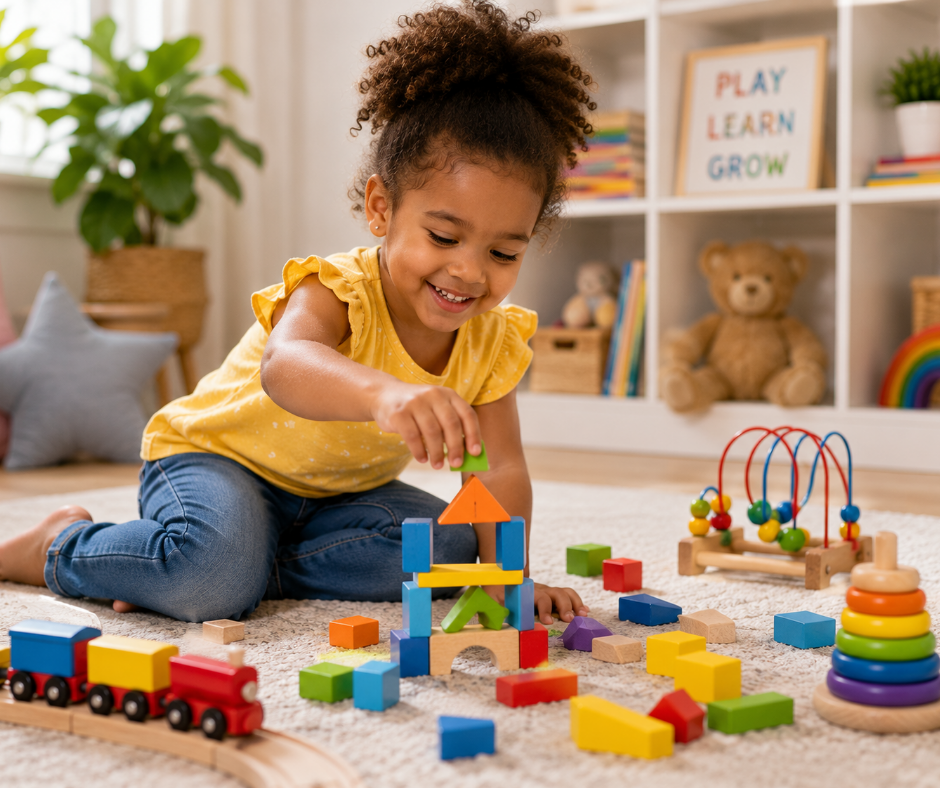
Every preschooler is different, and the best educational game is the one that matches your child’s current interests and developmental stage. Rather than buying dozens of toys, I recommend starting with a few high-quality games that encourage hands-on learning and can be used in multiple ways.
When choosing educational games, look for toys that:
- Encourage open-ended play
- Grow with your child’s abilities
- Build multiple skills at once
- Are durable enough for everyday use
- Inspire creativity and conversation
- Keep children actively engaged instead of passively watching
Remember, you don’t need a toy room full of expensive games. A handful of thoughtfully chosen educational toys can provide years of meaningful learning.
My Final Thoughts
As both a mom and an early childhood educator, I’ve seen firsthand that children learn best through play. Some of the greatest learning moments don’t happen at a desk—they happen while building towers, catching magnetic fish, sorting colorful bears, or laughing over a family game.
The toys in this list aren’t simply entertaining. They help children develop the literacy, math, language, problem-solving, creativity, and social skills they’ll carry with them into kindergarten and beyond.
More importantly, they create opportunities for connection.
Years from now, your child probably won’t remember every letter they learned or every puzzle they completed. But they’ll remember sitting beside you, laughing together, solving challenges, and feeling encouraged every step of the way.
Those moments matter just as much as the lessons themselves.
If I could offer one piece of advice, it would be this: Play with your child whenever you can.
You are your child’s first and most important teacher, and the time you spend learning together is an investment they’ll benefit from for the rest of their lives.
Happy playing!
— Velvet Mumma
Affiliate Disclosure
Disclosure: As an Amazon Associate, I earn from qualifying purchases. This means if you click one of the links in this post and make a purchase, I may earn a small commission at no additional cost to you. I only recommend products that I genuinely believe support children’s learning through play and would feel confident recommending to my own family, friends, and readers.
Don’t Forget to Pin This!
Know another parent, grandparent, homeschool family, or preschool teacher looking for educational games? Save this post to Pinterest so you can easily find these recommendations later—and share it with someone who loves helping little learners grow.
 mumma's Babies
Leave a comment