One day your little one is taking their first wobbly steps, and before you know it, you’re shopping for a backpack and wondering where the time has gone.
Sending your three-year-old to preschool is an exciting milestone, but it can also bring a mix of emotions. You might be asking yourself, Is my child ready? Will they make friends? What if they cry when I leave? If you’ve had those thoughts, you’re not alone.
Hi! I’m Velvet Mumma
Mom. Early Childhood Specialist. Blogger.
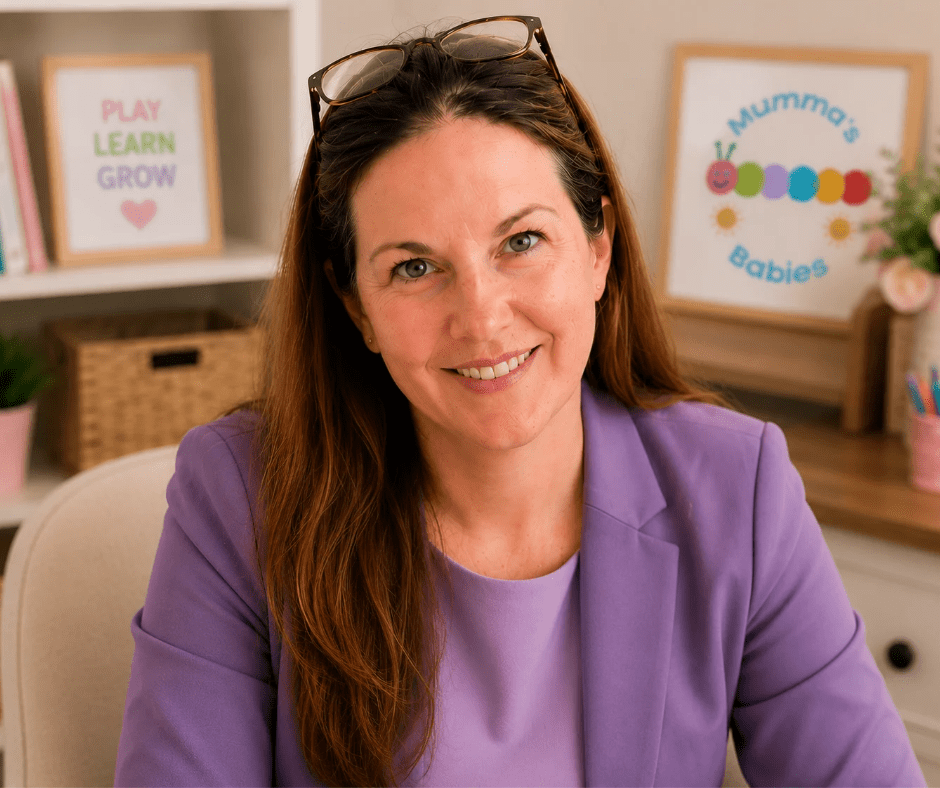
Ive worked as a classroom teacher, play therapist, and parent educator. Long before I became a mom myself, I was passionate about helping little learners grow through play, connection, and meaningful experiences. Then, after years of infertility and several IVF treatments, I was blessed to become a mother at the age of 36. That journey changed not only my life, but also the way I see childhood and parenting.
One thing I’ve learned, both professionally and personally, is that preschool readiness isn’t about memorizing the alphabet or counting to 100. It’s about helping children develop confidence, curiosity, independence, and the social-emotional skills they need to thrive in a new environment.
In this guide, I’ll share simple, play-based ways to prepare your three-year-old for preschool without adding stress or pressure. Together we’ll talk about building independence, strengthening communication skills, creating healthy routines, encouraging friendships, and making that very first day of preschool a little easier for both of you.
Because preparing for preschool isn’t about raising the smartest child in the classroom—it’s about helping your little one walk through those classroom doors feeling safe, loved, and ready to learn
1. Is Your Three-Year-Old Ready for Preschool?
One of the biggest questions I hear from parents is, “How do I know if my child is ready?”
The truth is, there isn’t a perfect checklist that every three-year-old must complete before preschool begins. Children develop at different rates, and that’s completely normal. Some children are chatterboxes who can hold long conversations but struggle to separate from Mom. Others may be quiet observers who aren’t saying much yet but have wonderful social skills.
Preschool teachers understand this. They aren’t expecting children to walk through the classroom doors knowing how to read or solve math problems. They’re expecting little learners who are ready to explore, play, and grow.
Instead of asking, “Can my child recite the alphabet?” ask yourself questions like
- Are they curious about new things?
- Do they enjoy playing with other children, even for a short time?
- Can they communicate some of their needs?
- Are they beginning to follow simple directions?
- Do they show interest in trying things independently?
If you answered “yes” to most of these, your child is likely more ready than you think.
As both an early childhood educator and a mom, I’ve learned that confidence is a much better predictor of preschool success than academics.
2. What Preschool Teachers Really Want
Many parents feel pressure to teach letters, numbers, colors, and sight words before preschool starts.
While those skills certainly have their place, they’re usually not what teachers hope children bring on the first day.
Most preschool teachers would rather have a child who can:
- Listen to a simple direction.
- Ask for help when they need it.
- Share toys.
- Take turns.
- Be kind to classmates.
- Clean up after themselves.
- Try something new without giving up.
Preschool is designed to teach children through play. Teachers know how to introduce letters, numbers, and early literacy skills. What they’re hoping for is a child who feels safe enough to participate.
One of the greatest gifts you can give your child before preschool isn’t flashcards—it’s confidence.
3. Build Independence Every Day
One of the easiest ways to prepare your child for preschool is by encouraging independence during everyday routines.
Young children love hearing, “You did it all by yourself!”
Those small moments build confidence that carries over into the classroom.
Here are a few simple skills you can practice at home:
- Washing hands with soap
- Pulling pants up and down
- Putting on shoes (even if they’re not perfect!)
- Hanging up a backpack or jacket
- Cleaning up toys after playtime
- Throwing away trash
- Opening snack containers
- Carrying their own water bottle
Remember, preschool teachers don’t expect perfection.
It’s okay if shoes go on the wrong feet occasionally or jackets get zipped crooked. What matters is that your child is learning to try.
Allow extra time each day so your child can practice instead of you doing everything for them.
Those few extra minutes today can lead to much greater confidence tomorrow.
4. Develop Strong Language Skills
Talking with your child is one of the most powerful ways to prepare them for preschool.
Children who hear rich language every day tend to develop stronger communication skills, larger vocabularies, and greater confidence expressing themselves.
The good news?
You don’t need expensive programs or fancy lessons.
Language grows naturally during everyday life.
Try:
- Reading books together
- Singing songs
- Talking during grocery shopping
- Describing what you’re cooking
- Naming animals you see outside
- Asking open-ended questions
- Telling stories about your day
Instead of asking:”Did you have fun?”Try asking:”What made you smile today?”Questions like these encourage children to think, explain, and use more words.Every conversation matters.
5. Practice Social Skills Through Play
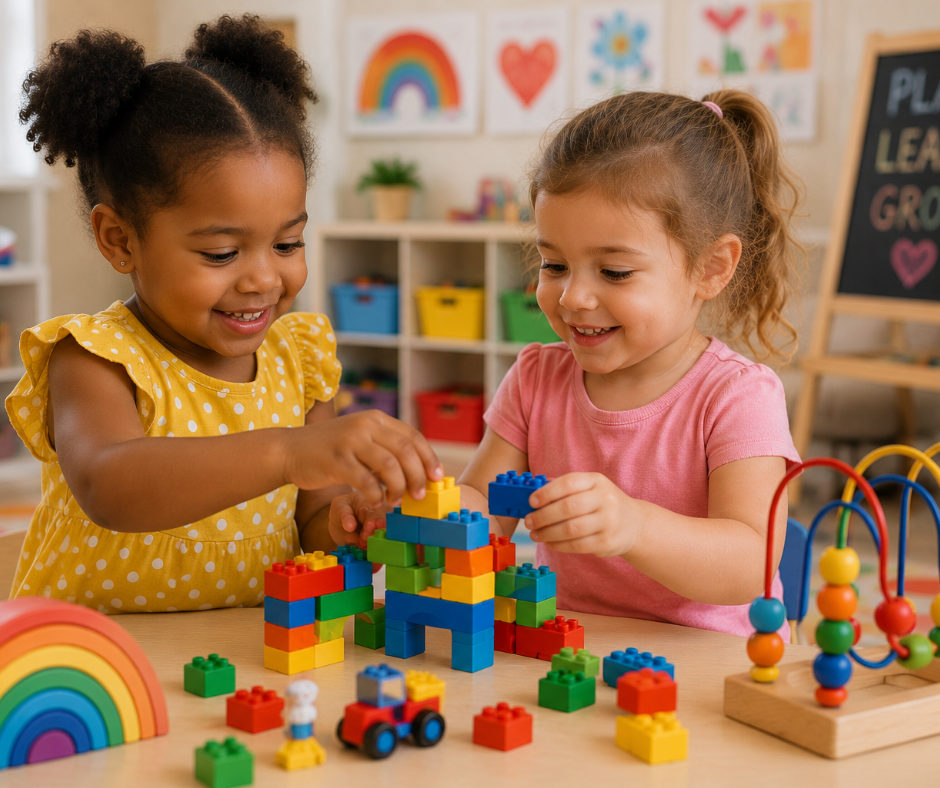
Preschool is often a child’s first opportunity to spend several hours each day with other children.
That makes social skills just as important as academic skills.
The best part?
Children learn social skills through play.
Practice things like:
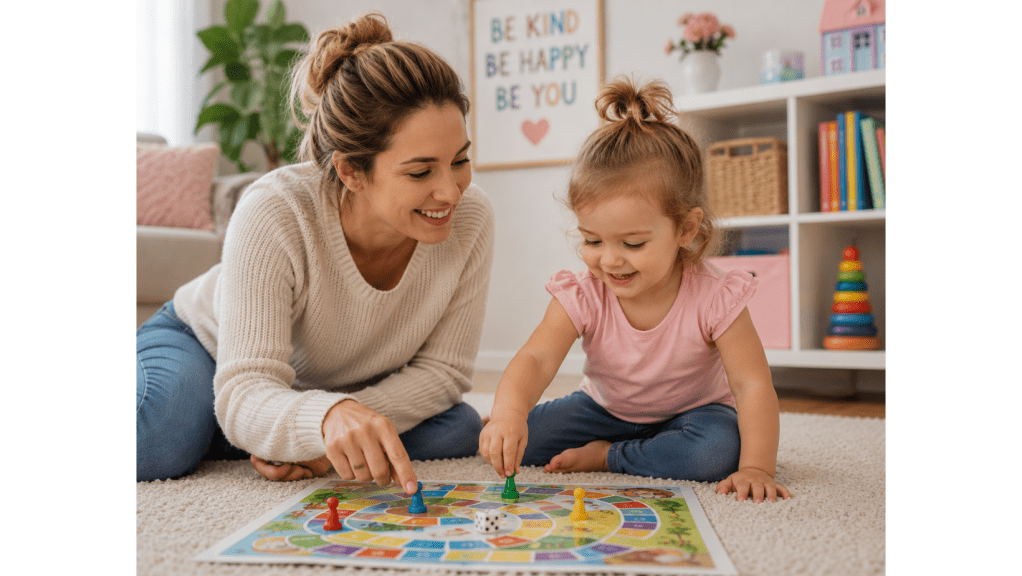
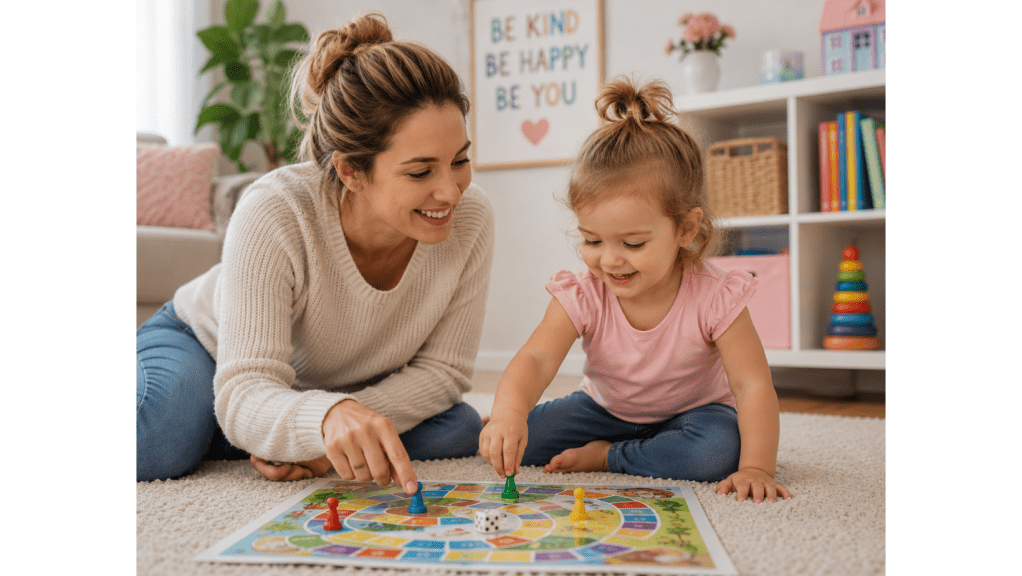
- Taking turns during board games
- Sharing toys
- Waiting patiently
- Asking, “Can I play?”
- Saying “Thank you.”
- Using kind words
- Solving small disagreements together
Pretend play is especially wonderful for this.
Set up a pretend classroom, grocery store, doctor’s office, or restaurant.
Take turns being the teacher and the student.
Role-playing gives children a safe place to practice real-life situations before they happen.
6. Help Your Child Manage Big Feelings
Starting preschool can bring excitement—but it can also bring nervousness, frustration, sadness, and even fear.
That’s completely normal.
One of the best things we can teach our children is that all feelings are okay.
Instead of trying to stop emotions, help your child learn to work through them.
Teach them to:
- Name their feelings.
- Take deep breaths.
- Ask for help.
- Use words instead of hitting or yelling.
- Find healthy ways to calm down.
At home you might say:
“I can see you’re feeling frustrated because the blocks fell over.”
When children hear their emotions named, they begin learning emotional vocabulary.
That skill will help them communicate with teachers and classmates when preschool begins.
7. Practice Following Directions
In preschool, children hear directions throughout the day.
“Wash your hands.”
“Find a spot on the carpet.”
“Line up at the door.”
Following directions becomes much easier when children have practiced listening at home.
Fortunately, this doesn’t have to feel like work.
Try games such as:
- Simon Says
- Red Light, Green Light
- Follow the Leader
- Treasure Hunts
- Obstacle Courses
- Clean-Up Races
Keep directions simple at first.
Then gradually build up to two-step directions like:
“Please pick up your shoes and put them in your closet.”
These playful moments strengthen listening skills while keeping learning fun.
8. Create a Preschool Routine Before School Starts
Children thrive on routines because routines help them know what to expect.
A few weeks before preschool begins, slowly start shifting your schedule to match school days.
Practice:
- Earlier bedtime
- Consistent wake-up time
- Eating breakfast before leaving
- Getting dressed independently
- Packing a backpack
- Leaving the house calmly
The goal isn’t perfection.
It’s helping mornings feel familiar rather than rushed.
When the first day arrives, much of the routine will already feel comfortable.
9. Visit the Preschool Together
If your preschool offers an open house or classroom visit, take advantage of it.
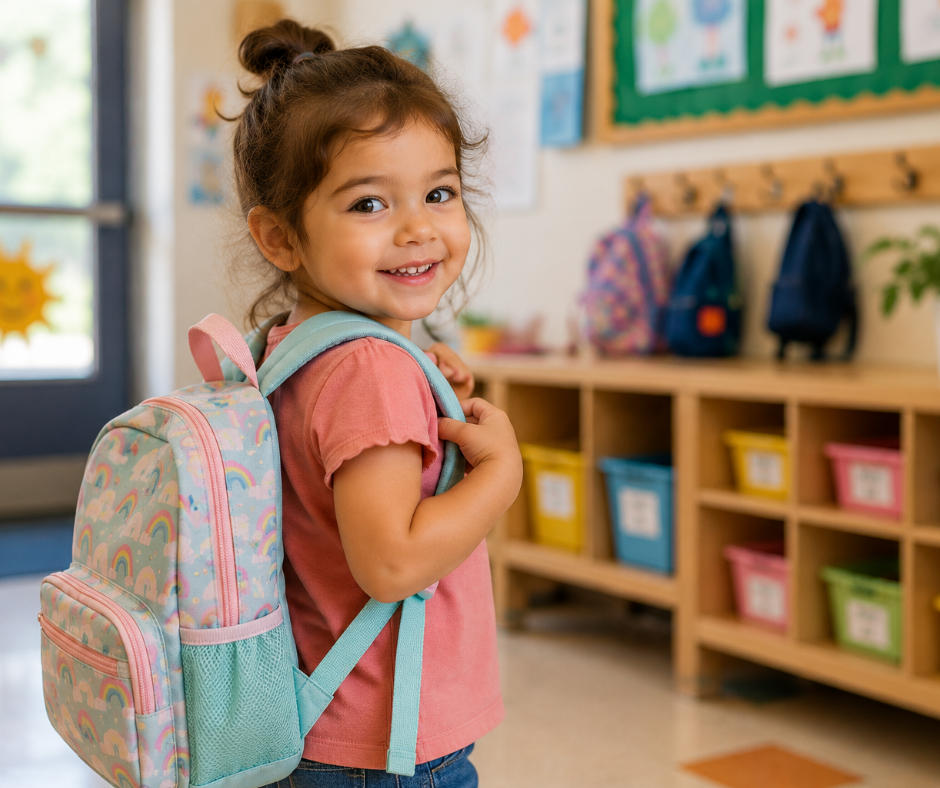
Seeing the classroom ahead of time can make a huge difference.
While you’re there:
- Meet the teacher.
- Explore the classroom.
- Find the bathroom.
- Visit the playground.
- Look at the reading corner.
- Point out fun activities.
Talk positively about what you see.
Instead of saying,
“Don’t be scared.”
Try saying,
“Look how many fun things you’ll get to explore!”
10. Read Books About Starting Preschool
Books are wonderful tools for preparing children for new experiences.
Reading stories about preschool helps children understand what their own first day might look like.
Some family favorites include:
- The Kissing Hand by Audrey Penn
- Llama Llama Misses Mama by Anna Dewdney
- Pete the Kitty’s First Day of Preschool by Kimberly & James Dean
- Daniel Goes to School based on the beloved television series
As you read together, pause and ask questions like:
- “How do you think the little boy feels?”
- “What would you do?”
- “What do you think happens next?”
These conversations help children process their own thoughts and feelings about starting preschool.
By making books part of your preparation, you’re not only easing first-day jitters—you’re also creating a positive connection between reading, learning, and exciting new adventures.
11. What NOT to Do Before Preschool
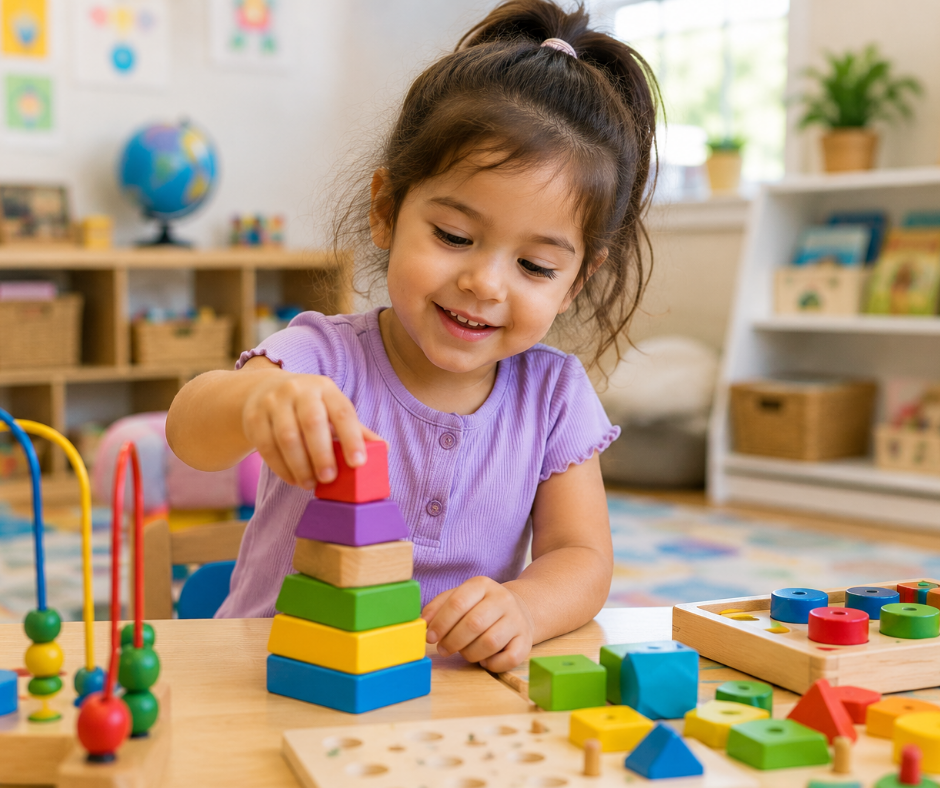
As parents, we all want to give our children the very best start. Sometimes, though, our eagerness to prepare them can unintentionally create stress. The weeks leading up to preschool should be filled with excitement, not pressure.
Here are a few things I’d encourage you to avoid:
Don’t Pressure Academics
Your three-year-old doesn’t need to read before preschool. They don’t need to memorize sight words or complete stacks of worksheets.
The best preparation is still play. Check this out
Building towers, pretending to cook dinner, painting pictures, digging in the sandbox, and reading books together are all helping your child develop the skills they’ll need in school.
Don’t Compare Your Child
Every child develops differently.
Your neighbor’s child may already recognize every letter of the alphabet while yours is still learning colors—and that’s okay.
Celebrate your child’s unique strengths and remember that preschool is where so much learning begins.
Don’t Talk Negatively About School
Children pay close attention to our words.
Avoid saying things like:
“You’ll have to listen to your teacher now.”
“You better behave.”
“School isn’t going to let you do that.”
Instead, speak positively.
“You’re going to make new friends.”
“Your teacher is excited to meet you.”
“You’re going to have so much fun learning and playing.”
Don’t Sneak Away
When it’s time to say goodbye, keep it short—but don’t disappear.
Even if tears come, a quick hug, a kiss, and a confident goodbye help build trust.
Your child needs to know that when you say you’ll come back, you always do.
12. The Night Before Preschool
The evening before preschool doesn’t have to be rushed or stressful.
In fact, a calm evening can help your child feel secure and excited for the next day.
Here’s a simple checklist:
✔ Lay out tomorrow’s clothes.
✔ Pack the backpack.
✔ Label everything.
✔ Prepare lunch or snacks if needed.
✔ Read a favorite bedtime story.
✔ Talk about what tomorrow might look like.
✔ Pray together if that’s part of your family’s routine.
✔ Get plenty of sleep.
Most importantly, spend a few extra minutes cuddling and reminding your child how proud you are of them.
Sometimes that’s exactly what they need to hear.
13. The First Day of Preschool
The first day can be emotional—not just for children, but for parents too.
You may find yourself smiling one minute and tearing up the next.
That’s okay.
Here are a few tips that can make the morning go more smoothly:
- Wake up a little earlier than usual.
- Eat breakfast together.
- Take a few pictures.
- Keep your morning calm.
- Stay positive.
- Keep goodbyes short.
If your child cries when you leave, remember this…
Many children stop crying just a few minutes after their parents leave.
Preschool teachers have seen this many times and know exactly how to help children settle into their new environment.
Trust the process.
Then celebrate together after school.
Ask questions like:
“What was your favorite part of today?”
“Did you play outside?”
“What made you smile?”
Keep the conversation light and positive.
14. Common Parent Questions
What if my child cries every morning?
This is one of the most common concerns.
Many children need a few days—or even a few weeks—to adjust.
Stay consistent with your goodbye routine and trust your child’s teacher.
Consistency builds security.
Should my child know letters before preschool?
No.
Exposure is wonderful, but preschool teachers expect to teach these skills.
Focus more on reading together, talking throughout the day, and learning through play.
What if my child is shy?
Shyness isn’t a weakness.
Many shy children become wonderful observers before joining in.
Give your child time.
Confidence grows with experience.
What if my child isn’t potty trained?
Every preschool has different policies.
Check with your school ahead of time so you’ll know what is expected.
If potty training is still a work in progress, don’t panic.
Many children continue developing this skill during the preschool years.
How long does it take children to adjust?
Every child is different.
Some settle in on day one.
Others need several weeks.
Both are completely normal.
Patience, consistency, and encouragement go a long way.
15. Preschool Readiness Checklist
Remember…
This isn’t a test.
It’s simply a guide to help you see areas where your child is growing.
Your three-year-old may be able to:
✔ Follow simple directions
✔ Wash hands
✔ Use words to communicate needs
✔ Play beside or with other children
✔ Share and take turns
✔ Help clean up toys
✔ Sit for a short story
✔ Separate from parents for a little while
✔ Try new activities
✔ Show curiosity about the world
If your child isn’t doing every one of these yet, that’s okay.
Preschool is a place to learn these skills—not a reward for already having them.
Final Thoughts
If there’s one thing I hope you take away from this article, it’s this:
Your child doesn’t have to be perfect to be ready for preschool.
They don’t need to know every letter, count to 100, or write their name.
What they need most is confidence, curiosity, and the reassurance that they are loved.
As both an early childhood educator and a mom, I’ve seen firsthand how children flourish when they’re given opportunities to explore, play, ask questions, and make mistakes in a safe environment.
So take a deep breath.
Enjoy these last weeks before preschool begins.
Read one more bedtime story.
Play one more game of pretend.
Build one more blanket fort.
These simple moments aren’t distractions from learning—they are learning.
Preschool is just the beginning of a wonderful adventure, and you have already been your child’s very first and most important teacher.
Thank you for stopping by Mumma’s Babies. I hope this guide has encouraged you and given you practical ideas to help your little one step into preschool with confidence.
I’d love to hear from you! Leave a comment below and tell me: What excites—or worries—you most about your child’s first day of preschool? Your story may encourage another parent who’s feeling the very same way. ❤️


Leave a Reply