If you’ve ever watched your two-year-old point excitedly at letters on a cereal box or pretend to “read” their favorite bedtime book, you may have wondered, Can I really teach my toddler to read?
The answer might surprise you.
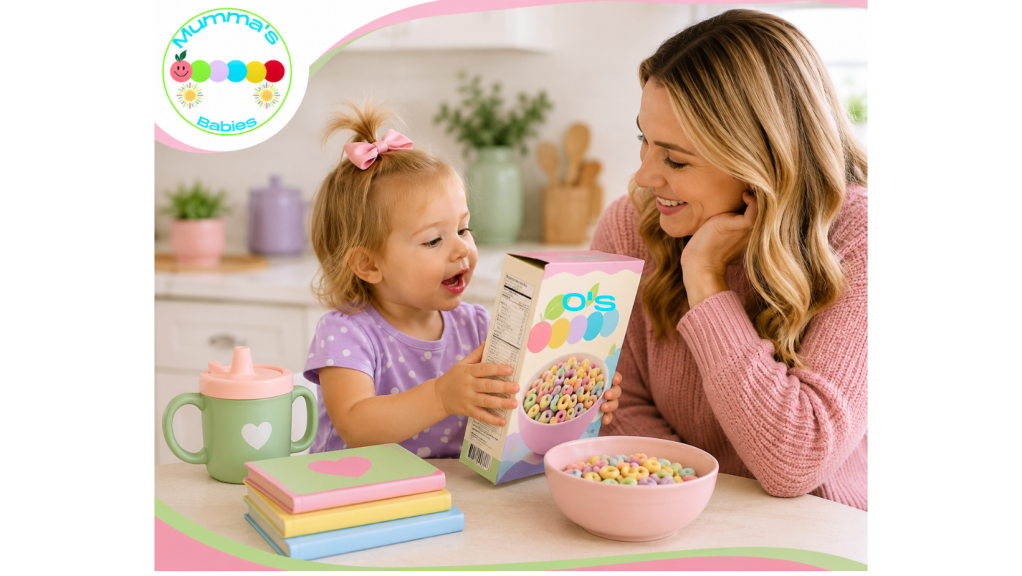
At two years old, your toddler doesn’t need to sit at a table for formal reading lessons or follow a structured reading curriculum. Instead, this is the perfect age to nurture a love of books, language, and print through everyday play and conversation. Many toddlers are already beginning to recognize environmental print—the familiar words and symbols they see all around them, such as the name of their favorite cereal, restaurant signs, store logos, or the label on a snack package. These everyday experiences help children realize that printed words have meaning, laying an important foundation for future reading success.
Hi! Im Velvet Mumma
Mom. Early Childhood Specialist. Blogger
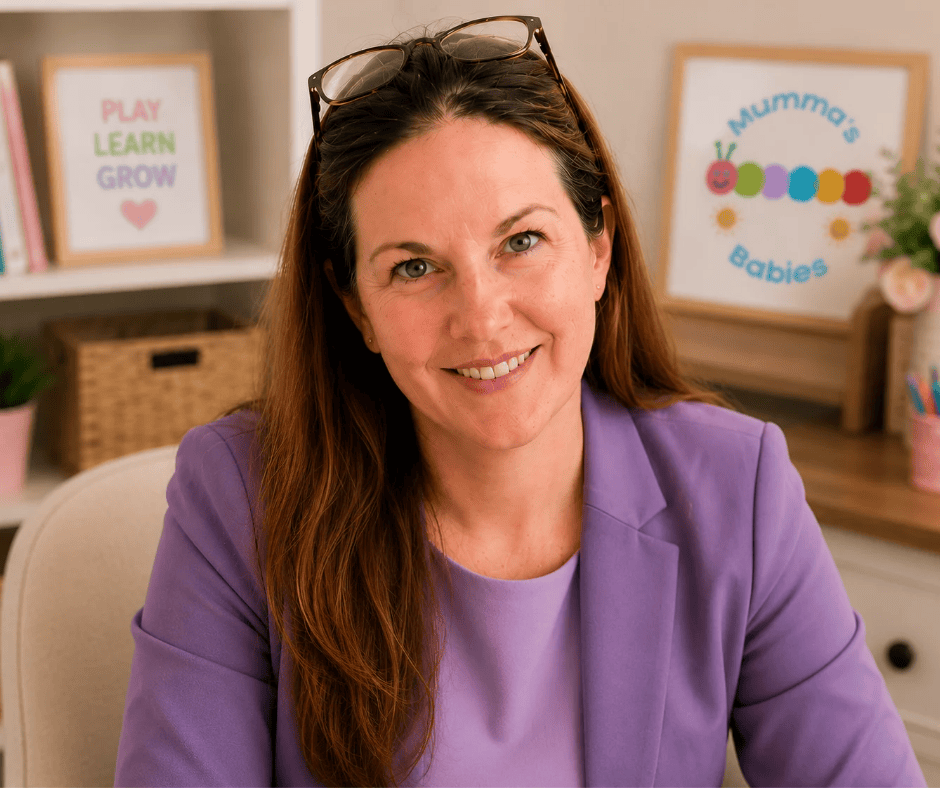
Before I ever had children of my own, I spent years studying early childhood development and working with young children. I earned degrees in Early Childhood Education and Birth–Kindergarten Education and had the privilege of teaching children of all abilities, including those with special needs. I also worked as a play therapist, where I saw firsthand how powerful play is in helping children learn and grow.
But my greatest lesson came much later.
After years of infertility, countless prayers, and multiple rounds of IVF, I finally became a mom at 36 years old. Holding my daughter in my arms was everything I had dreamed of—and I couldn’t wait to put everything I had learned into practice
Instead of rushing into long formal lessons, I focused on making learning a natural part of our everyday life. We read together, played together, sang songs, talked about letters and sounds, and found words everywhere we went. Little by little, she began recognizing print and discovering that words have meaning.
That’s why I created this blog.
I want to encourage parents that teaching a young child to read doesn’t have to feel overwhelming. It doesn’t require expensive programs or hours at the table. With playful, intentional moments woven into your daily routine, you can build a strong foundation for reading while making wonderful memories together
Mastering Talking
Before we dive into teaching your two-year-old to read, let’s take a step back and talk about something even more important—language.
Reading begins long before a child ever sounds out their first word. It starts with talking, listening, and building a rich vocabulary. Every conversation you have with your toddler is helping prepare their brain for reading.
As your two-year-old learns new words and begins putting sentences together, they’re developing the language skills they’ll need to become a successful reader. Once children understand that words have meaning, they’re ready to begin connecting those words to the letters and sounds they see in print.
The more your toddler hears you talk, ask questions, sing songs, read books, and describe the world around them, the stronger their language foundation becomes. From there, you can begin introducing letters, letter sounds, rhyming, and other early literacy activities in fun, playful ways.
Why toddlers don’t need formal reading lessons.
One of the biggest misconceptions about teaching a two-year-old to read is that you need to create a classroom at home. Many parents imagine flashcards, worksheets, and long lessons at the kitchen table. The truth is, that’s not how most toddlers learn best.
At two years old, your child’s brain is wired for play, movement, exploration, and conversation. They learn by touching, singing, climbing, asking questions, pretending, and experiencing the world around them. These everyday moments are where the real learning happens.
Music: The Secret Ingredient to Early Reading
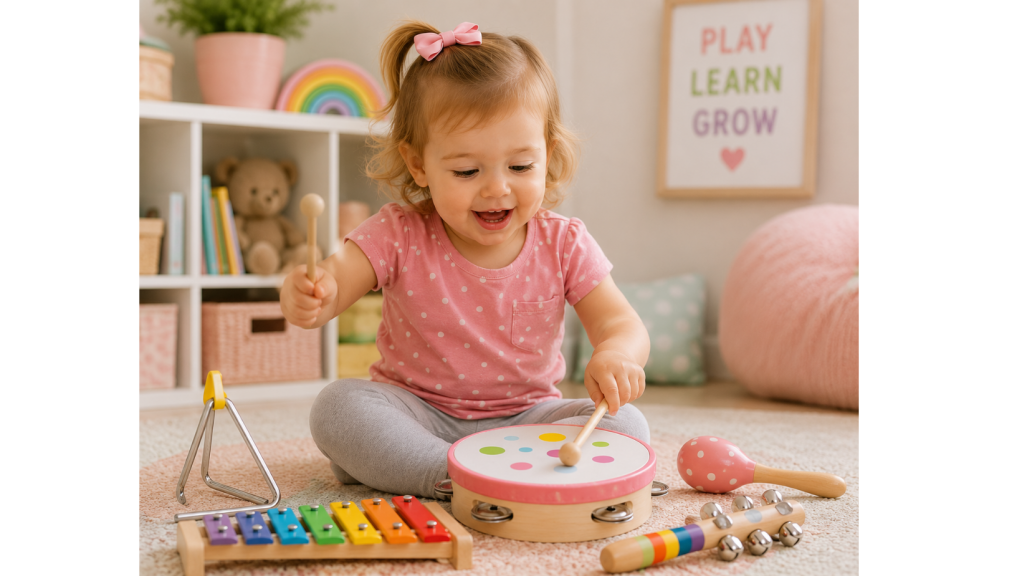
Toddlers love to sing, dance, clap, and repeat favorite songs over and over again. While they’re having fun, they’re also learning new words, hearing the sounds that make up language, and strengthening the listening skills they’ll use later when learning to read. So sing often, be silly, and don’t worry if you can’t carry a tune. Your toddler won’t remember a perfect voice—they’ll remember the joy of learning with you. ❤️ Check this out
Read Every Single Day
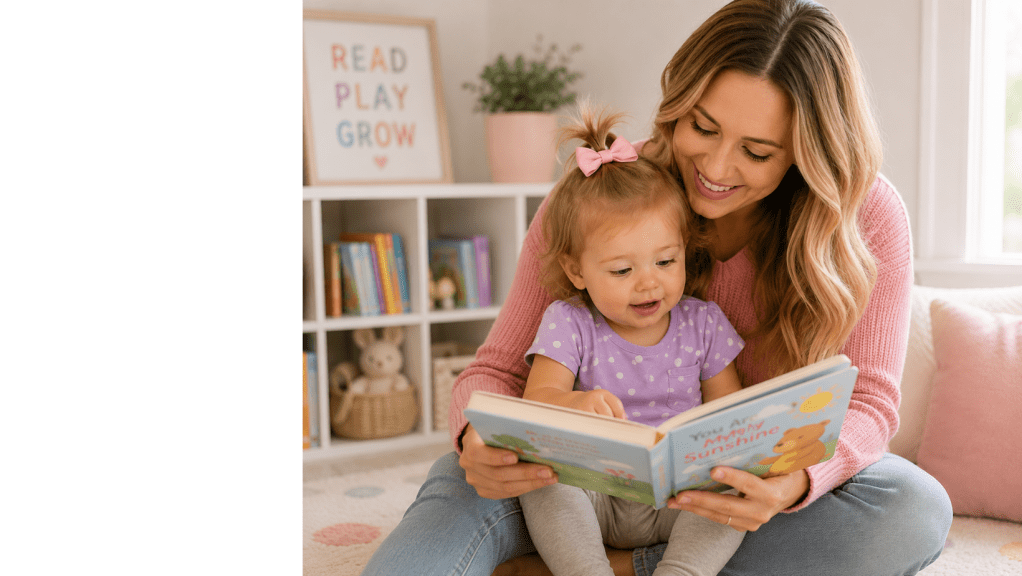
If I could give parents just one piece of advice, it would be this: read to your toddler every single day.
You don’t need to read for an hour or finish an entire book. Even 10–15 minutes a day can make a tremendous difference in your child’s language development and future reading success. The key is consistency, not perfection.
Reading together does so much more than teach words on a page. Every story introduces your toddler to new vocabulary, sentence patterns, ideas, and emotions. They begin to understand that books tell stories, pictures have meaning, and printed words represent the language they hear every day.
Don’t worry if your two-year-old doesn’t sit still through an entire book. That’s perfectly normal! Some toddlers want to turn the pages quickly, point to every picture, or skip to their favorite page. Others may wander off and come back halfway through the story. Follow your child’s lead and make reading a positive experience rather than a battle.
As you read, make the story come alive.
- Use funny voices for different characters.
- Point to the pictures as you name them.
- Ask simple questions like, “Where’s the puppy?” or “What color is the ball?”
- Let your child finish familiar phrases or fill in the last word of a sentence.
- Celebrate every question they ask along the way.
One of the best things you can do is read the same books over and over again. While adults may get tired of reading the same story for the tenth time, toddlers thrive on repetition. Each time they hear a favorite book, they notice something new, strengthen their vocabulary, and begin predicting what comes next. Before long, they’ll start “reading” parts of the story from memory—and that’s an exciting step toward becoming an independent reader.
Remember, reading together isn’t about getting through a book. It’s about spending time together, creating happy memories, and showing your child that books are something to be loved
Use Environmental Print
One of the easiest—and most effective—ways to help your two-year-old begin reading is by using environmental print.
Environmental print is the words, signs, and logos your child sees every day. Think about your toddler’s favorite cereal box, the stop sign at the end of your street, the golden arches at a fast-food restaurant, or the logo on their favorite snack. These familiar words become meaningful because they’re connected to real-life experiences.
You might be surprised to discover that your toddler can already “read” some of these words. While they may not be sounding out each letter yet, they’re learning that printed words have meaning. This is an exciting first step toward becoming a reader.
The best part? You don’t need to buy anything special. Learning opportunities are all around you
Learning Through Play
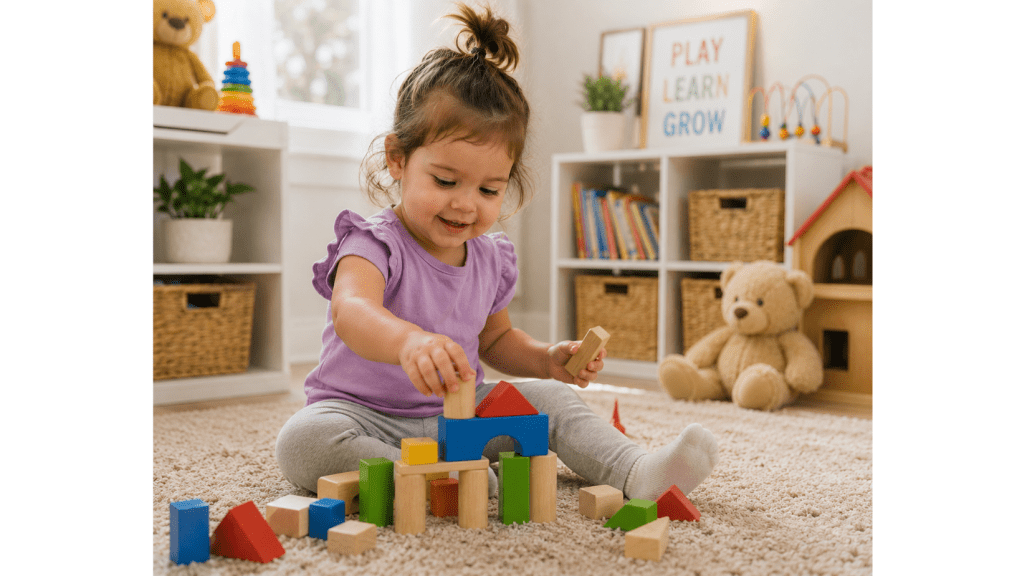
If there’s one thing I hope you remember from this article, it’s this: play is your toddler’s most important job.Young children don’t learn best by sitting still with worksheets or memorizing flashcards. They learn by exploring, pretending, moving, asking questions, and interacting with the people around them. Every playful moment is an opportunity to build the language and literacy skills they’ll use when they begin reading.As both an early childhood specialist and a mom, I’ve seen time and time again that children learn the most when they’re having fun. When learning feels like a game instead of a lesson, toddlers stay curious, engaged, and excited to discover new things.The wonderful news is that you don’t have to set aside extra time each day to “teach reading.” You can weave literacy into the activities you’re already doing together.
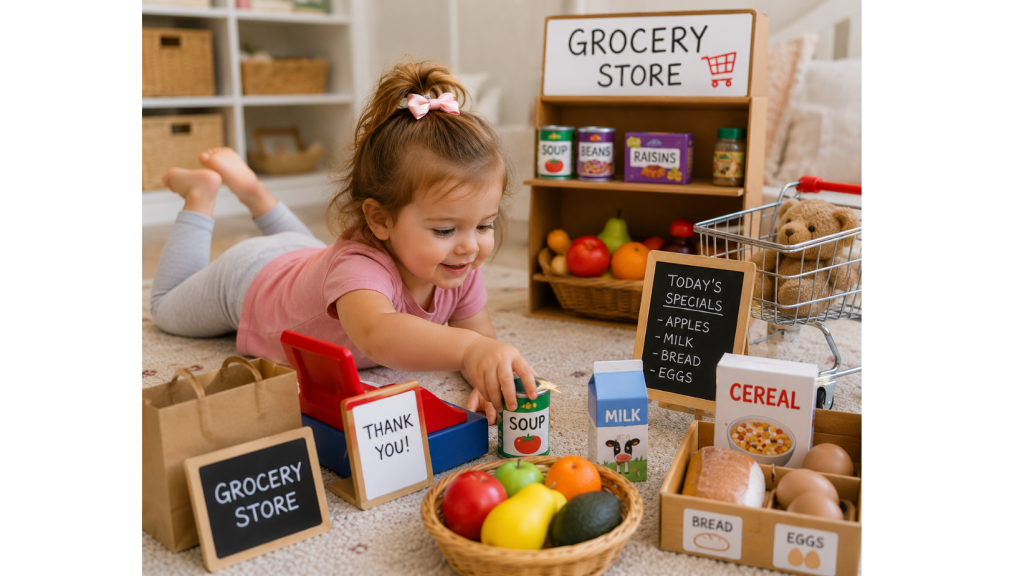
Pretend Play
Set up a pretend grocery store, restaurant, doctor’s office, or post office. Write simple signs, shopping lists, menus, or name tags for your child to explore. Even if they can’t read the words yet, they’ll begin to understand that print has a purpose.
Sing, Dance, and Move
Movement helps children remember what they learn. Sing the alphabet, clap out syllables, dance to nursery rhymes, or march around the house while chanting silly rhyming words. Music makes learning unforgettable.
Cook Together
Invite your toddler into the kitchen. Read the recipe, count ingredients, identify food labels, and talk about what you’re doing. Cooking naturally introduces new vocabulary while creating special memories.
Build an Alphabet Treasure Hunt
Hide magnetic letters or foam letters around the house and invite your child to find them. Celebrate each discovery and say the letter name and sound together.
Make Reading Part of Play
Create a cozy reading corner with books your toddler can reach on their own. Let stuffed animals “read” stories, or take turns pretending to be the teacher while your child reads to their favorite teddy bear.
Get Creative
Use play dough to shape letters, write giant letters with sidewalk chalk, paint letters with water outside, or build them with blocks. The more senses your child uses, the more meaningful learning becomes.
Follow Your Child’s Interests
Does your toddler love dinosaurs? Read dinosaur books. Obsessed with trucks? Talk about the letters on construction vehicles. Loves princesses, animals, trains, or bugs? Fill your home with books and playful activities centered around those interests. Children learn best when they’re excited about the topic.
Remember the Goal
The goal isn’t to create the youngest reader on the block. The goal is to raise a child who loves stories, enjoys books, asks questions, and believes learning is fun.
Every giggle during a rhyming game, every pretend shopping trip, every bedtime story, and every song you sing together is helping build the foundation for reading. These simple, joyful moments may seem small today, but they’re shaping a lifetime of learning.
Because when toddlers learn through play, they’re not just learning to read—they’re learning to love learning.
Build a Print-Rich
Environment
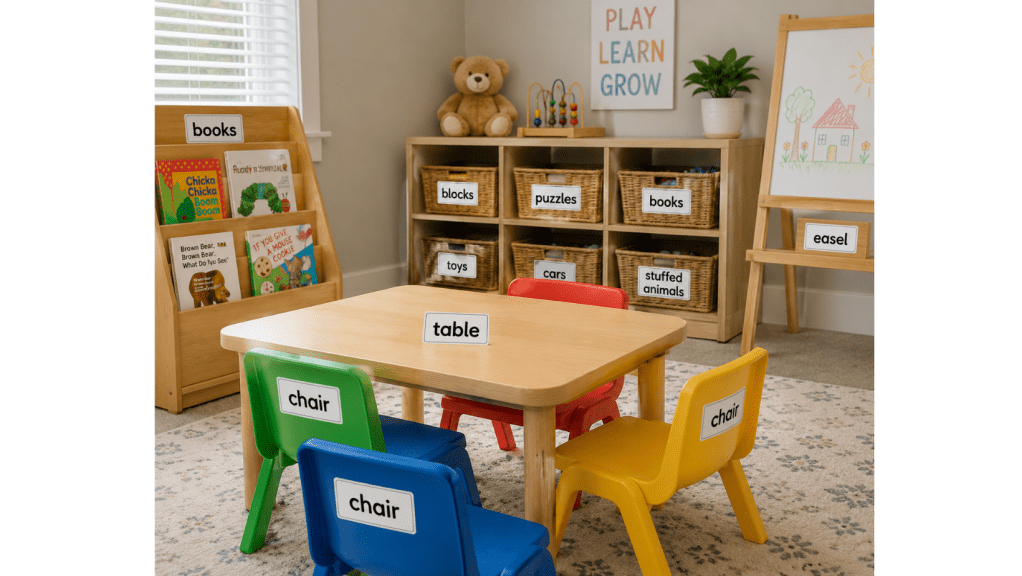
One of the easiest ways to encourage early reading is to surround your toddler with print. When children see words throughout their daily environment, they begin to understand that print has meaning. A print-rich home doesn’t have to look like a classroom—it simply means creating natural opportunities for your child to notice letters and words as they play and explore.
The goal isn’t to overwhelm your toddler with posters or worksheets. Instead, think about the everyday places where reading already happens. By making print part of your family’s routines, you’re helping your child develop curiosity about language without even realizing they’re learning.
Label Everyday Objects
A simple label can become a powerful learning tool.
Try labeling items around your home such as:
- Door
- Window
- Bed
- Chair
- Table
- Toy Box
- Books
- Refrigerator
As you go about your day, point to the labels and say the words aloud. Over time, your toddler will begin connecting the printed word with the object.
Make Books Easy to Reach
Children are much more likely to “read” when books are available.
- Place baskets of books in the living room.
- Keep books beside your toddler’s bed.
- Store a few books in the car.
- Keep books in your diaper bag for appointments or errands.
When books are part of everyday life, children naturally choose to explore them.
Display Your Child’s Name
A child’s name is often the very first word they recognize.
Write your toddler’s name on:
- Their bedroom door
- Artwork
- Toy bins
- Water bottle
- Backpack
- Cubby
- Place at the table
Point to the letters as you say their name. Before long, they’ll begin recognizing those special letters wherever they see them.
Read Real-Life Print
Not all reading comes from storybooks.
Read together:
- Grocery lists
- Birthday cards
- Recipes
- Calendars
- Shopping bags
- Menus
- Food labels
These everyday reading experiences show your child that words are useful and meaningful.
Rotate Books and Print
You don’t need hundreds of books. Instead, rotate what you have every few weeks. When “new” books appear on the shelf, toddlers become excited to explore them all over again.
Let Your Toddler See You Read
Children imitate what they see.
If your toddler watches you reading a cookbook while making dinner, a novel before bed, or directions while assembling a toy, they’ll learn that reading is something adults enjoy and use every day.
Your actions send a powerful message:
Reading is important. Reading is useful. Reading is fun.
Remember…
Creating a print-rich home isn’t about decorating every wall with alphabet posters. It’s about filling your child’s world with meaningful words, conversations, books, and opportunities to explore print naturally.
Every label you read together, every bedtime story you share, and every grocery list you check off is helping your toddler build the foundation for lifelong reading success. And the best part? You’re doing it together, one everyday moment at a time.
Screen Time That Supports Learning
Let’s be honest—screen time is part of modern parenting. While no screen can replace the value of reading a book together, singing songs, or having face-to-face conversations, high-quality screen time can be a helpful tool when it’s used intentionally and in moderation.
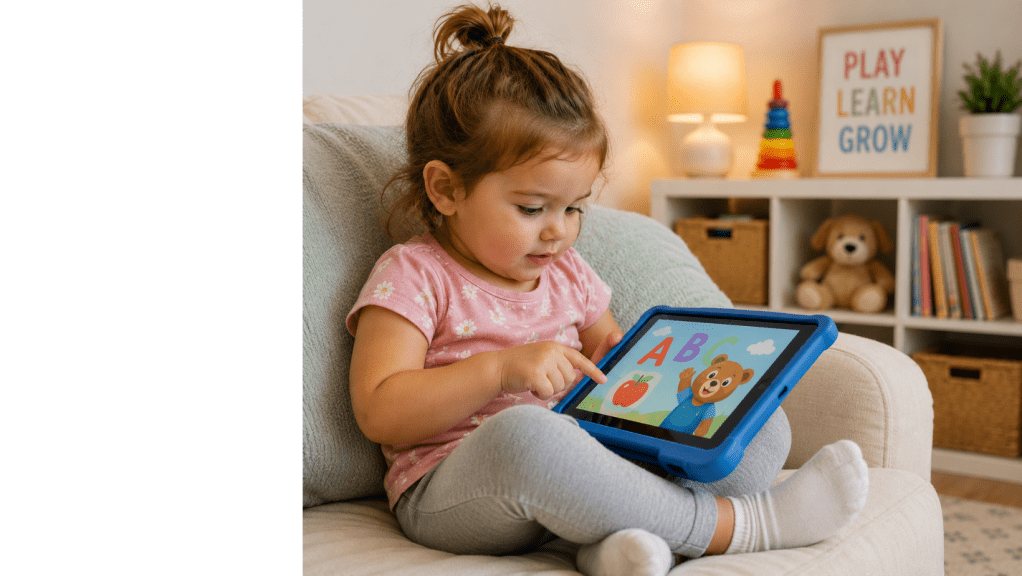
The key isn’t simply asking, “How much screen time is my toddler getting?” Instead, ask yourself, “What is my child learning from what they’re watching?”
Choose programs and apps that encourage language, letters, sounds, music, storytelling, and interaction. Better yet, sit with your child and enjoy the experience together. When you watch alongside your toddler, you can ask questions, repeat new words, sing songs, and connect what they’re seeing on the screen to the world around them.
For example, if a character points to the letter B, you might say, “B says /b/. B is for ball! Can you find a ball in our house?” These simple conversations help your child apply what they’re learning.
A Gentle Reminder
Don’t feel pressured to eliminate screens completely or guilty if your toddler enjoys a favorite educational show. Parenting is about balance, not perfection. What matters most is that your child spends plenty of time talking with you, playing, reading books, exploring outdoors, creating, and using their imagination.
When used thoughtfully, educational screen time can reinforce the language and literacy skills you’re already building throughout the day. But remember, your voice is still your toddler’s favorite teacher. The conversations you have, the stories you read, and the songs you sing together will always be more powerful than anything they can watch on a screen. ❤️
Signs Your Toddler Is Ready
Every child learns at their own pace. Some toddlers show an interest in books and letters before they turn two, while others don’t become interested until they’re older. That’s perfectly okay. Reading readiness isn’t about age—it’s about development, curiosity, and exposure.
Instead of wondering, “Should my two-year-old be reading?” ask yourself, “Is my child showing signs that they’re becoming interested in language and print?”
If you notice several of these signs, your toddler is developing the skills that will eventually lead to reading.
Your Toddler May Be Ready If They…
📚 Loves looking at books.
They bring you books to read, flip through the pages on their own, or pretend to read to their favorite stuffed animal.
🗣️ Has a growing vocabulary.
They are learning new words every day and beginning to speak in short phrases or simple sentences.
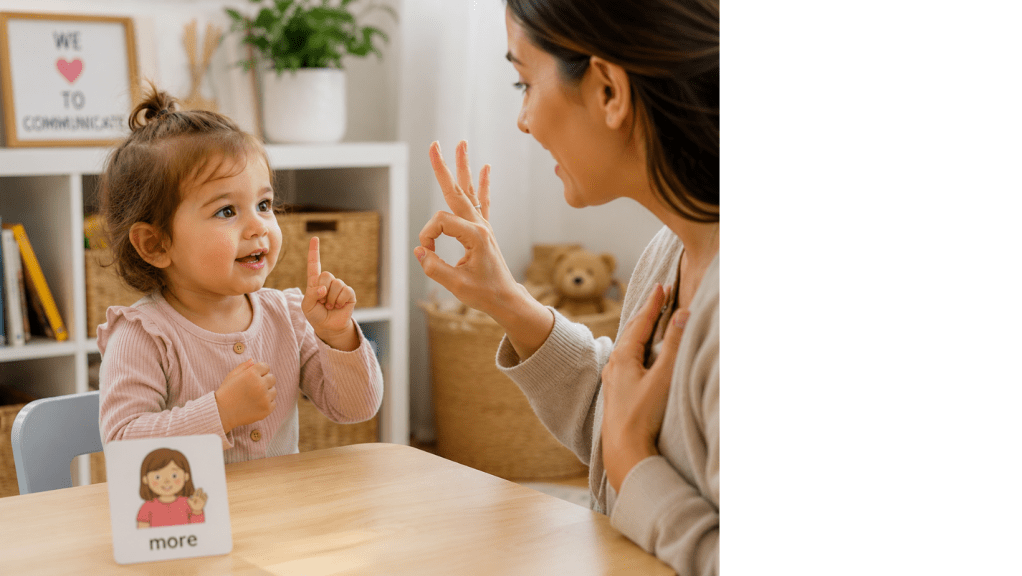
🎵 Enjoys songs and nursery rhymes.
They sing along, clap to the beat, finish familiar lyrics, or repeat favorite rhymes.
🔤 Shows interest in letters.They point to letters on signs, in books, or on toys and ask questions about them.
😊 Recognizes their own name.
They may notice the letters in their name or become excited when they see it written.
🚗 Notices environmental print.
They recognize familiar logos, restaurant signs, cereal boxes, or labels they see every day.
❓ Asks lots of questions.
Curious toddlers who constantly ask “What’s that?” or “What does this say?” are building important language skills.
🎨 Enjoys pretend play.
Pretending to write a grocery list, read a menu, or check out groceries at a pretend store shows they understand that print has a purpose.
👂 Can listen to a short story.
They enjoy sitting for a few minutes to hear a favorite book, especially one they’ve heard before.
💬 Tries to tell stories.
They describe pictures, talk about what happened during their day, or retell parts of a favorite book in their own words.
Don’t Worry If…
Your toddler doesn’t recognize letters yet.
They’d rather run than sit still.
They only listen to half of a story.
They aren’t interested in books every day.
All of these behaviors are completely normal for a two-year-old.
The goal isn’t to rush your child into reading. It’s to create a home filled with conversations, books, songs, laughter, and opportunities to explore language. When children are ready, reading often unfolds naturally because you’ve already built a strong foundation.
Remember: The best sign that your toddler is ready isn’t that they can read words—it’s that they’re curious. Curiosity is the spark that ignites a lifelong love of learning, and that’s far more valuable than reaching any milestone early.
Remember Every Child Learns Differently
One of the greatest gifts you can give your child is the freedom to learn at their own pace.
As parents, it’s easy to compare our children to others. Maybe your friend’s toddler already knows the alphabet, or you’ve seen videos online of two-year-olds reading books. While those stories can be inspiring, they don’t tell the whole picture.
The truth is, every child develops differently.
Some toddlers begin recognizing letters before they turn two. Others aren’t interested in books until preschool. Some children read early, while others don’t become fluent readers until first or second grade. All of these learning paths can lead to successful, confident readers.
As an early childhood specialist, I’ve learned that learning isn’t a race. Milestones are helpful guidelines, but they aren’t finish lines. What matters most is that your child is growing, exploring, asking questions, and enjoying the learning process.
If your toddler isn’t showing much interest in letters yet, don’t panic. Keep reading together. Keep singing songs. Keep talking throughout the day. Keep playing. Those everyday moments are building important skills, even if you can’t see the results right away.
Celebrate the little victories:
- The first time they recognize the letter in their name.
- The excitement of finishing your favorite bedtime story.
- Singing along to the alphabet song.
- Pretending to read to a teddy bear.
- Pointing out a familiar sign while riding in the car.
These are all signs that learning is happening.
Most importantly, don’t let the pressure to raise an early reader steal the joy of childhood. Two-year-olds are meant to play, explore, imagine, laugh, and discover the world around them. Reading should grow naturally out of those joyful experiences—not replace them.
At the end of the day, your goal isn’t simply to teach your toddler how to read. Your goal is to raise a child who is curious, confident, and excited to learn.
Years from now, your child won’t remember whether they learned to read at age three or age five. But they will remember snuggling on the couch for bedtime stories, singing songs in the car, laughing during alphabet games, and spending time learning with you.
Those memories are the true foundation of a lifelong love of reading. ❤️
20 Simple Reading Activities for Two-Year-Olds
- Read a favorite book together every day.
- Sing nursery rhymes and action songs.
- Point out letters on cereal boxes and food packages.
- Visit the library and let your toddler choose books.
- Label common objects around your home.
- Play with magnetic letters on the refrigerator.
- Practice letter sounds during bath time with foam letters.
- Read road signs and store logos while driving.
- Create a pretend grocery store with labeled food items.
- Go on an alphabet scavenger hunt around the house.
- Play “I Spy” using letters or colors.
- Make letters with play dough.
- Draw giant letters outside with sidewalk chalk.
- Read your grocery list together while shopping.
- Point to each word as you read aloud.
- Encourage your toddler to “read” a familiar book from memory.
- Play rhyming games with simple words.
- Use puppets or stuffed animals to tell stories.
- Listen to educational songs and dance together.
- Celebrate every new word, letter, and reading milestone with lots of praise.
Final Thoughts
Teaching your two-year-old to read isn’t about creating a child prodigy or rushing through milestones. It’s about building a strong foundation—one filled with conversations, books, songs, play, and meaningful moments together.Some children will recognize letters early. Others may not show much interest until preschool or kindergarten. Both paths are perfectly normal. What matters most isn’t when your child learns to read, but how they feel about learning along the way.As parents, we have the incredible opportunity to make reading something our children look forward to instead of something they fear. Every bedtime story, every nursery rhyme, every trip to the library, every conversation at the grocery store, and every cuddle with a favorite book is helping shape your child’s future.
Remember, you are your child’s first and most important teacher.
You don’t need expensive programs or hours of structured lessons. Your love, your time, and your willingness to talk, play, sing, and read together are the greatest gifts you can give.So enjoy these precious toddler years. Laugh often. Be silly. Read the same book for the hundredth time. Sing songs in the car. Celebrate every new word, every question, and every little discovery.
One day, your child will open a book and read it independently. When that day comes, they’ll remember more than just the words on the page—they’ll remember the person who first showed them that reading is an adventure worth loving.Thank you for spending time with me today.
I hope this article has encouraged you to see that teaching your two-year-old to read doesn’t have to be complicated. It simply begins with love, connection, and a playful heart.Happy reading! ❤️— Velvet Mumma


Leave a Reply