
HI! Im Velvet Mumma.
Mom, Early Childhood Professional, and Blogger.
If you’re raising little hearts with lots of love, a little grace, and plenty of learning along the way, welcome! This space was made with you in mind.
We are a participant in the Amazon Services LLC Associates Program, an affiliate advertising program designed to provide a means for us to earn fees by linking to Amazon.com and affiliated sites.
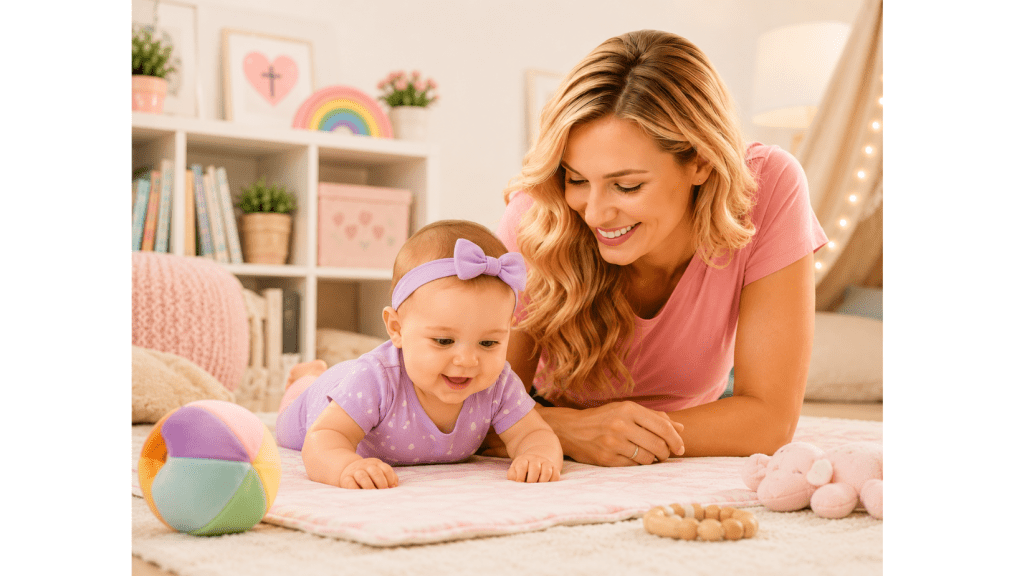
Congratulations, Momma! You’ve welcomed a beautiful new baby into your family. You’re holding this tiny bundle of joy in your arms, and your heart has never been so full. But if you’re anything like most new parents, you’re probably wondering, “Now what?” The truth is, babies don’t come with an instruction manual—but you’re not alone on this journey. We’ve got you covered.
During your baby’s first three months, every cuddle, smile, and playful moment helps them learn and grow. In this article, we’ll share simple ways to play with your newborn while supporting their early development.
Here’s some idea of the best activities you can do with your new baby.
Know What to Expect From Your Baby (Birth–3 Months)
Before we jump into fun play ideas, it’s helpful to understand what your newborn is capable of during these first few months.The truth is, newborns don’t need fancy toys or long play sessions. In fact, during the first few weeks, your baby’s “play” mostly consists of looking at your face, listening to your voice, and enjoying cuddles. As the weeks go by, they’ll gradually become more alert, begin tracking objects with their eyes, respond to sounds, and show interest in the world around them.
Knowing what your baby can do at this stage helps you choose activities that are safe, enjoyable, and appropriate for their development. Every baby grows at their own pace, so don’t worry if your little one reaches milestones a little earlier or later than others.

What Your Newborn Isn’t Ready to Do Yet
During the first few months, your baby is growing and learning every single day. While they’re making incredible progress, there are still a few things they simply aren’t ready for just yet—and that’s perfectly normal!Hold their head up steadily. Your baby’s neck muscles are still developing, so you’ll notice their head wobbling. Always support their head and neck until they gain more strength.
See clearly at long distances. Newborn vision is still developing. During the first month, babies see best about 8–12 inches away—the perfect distance to gaze into your face while being fed or cuddled.
Follow objects smoothly. Around 2 months, your baby’s eyes begin working together more effectively, allowing them to watch moving objects and follow your face with increasing accuracy.
Recognize people from farther away. By about 3 months, your baby’s eyesight improves significantly. They may begin recognizing familiar faces from across the room and become much more interested in the people and things around them.
Remember, every baby develops at their own pace. Some little ones may reach these milestones a bit earlier, while others take a little longer. Celebrate each new achievement and enjoy watching your baby discover the world one day at a time!
What Your Infant Can Do (Birth–3 Months)
What Your Infant Can’t Do Yet: Hold his/her head steady (it will come, it’s just going to go through a wobbly stage for awhile!) Baby’s early vision isn’t great. But as time goes by it greatly improves! 1 month: baby likes bold patterns in sharply contrasting colors or black-and-white; they can also typically see about 8-10 inches in front of them (about this distance from their face to their mother’s during breastfeeding!) 2 months: eyes become more coordinated and may track objects 3 months: can spot similar faces, even from across the rewrite room
Here’s an original version in the same warm, encouraging style:
What Your Newborn Isn’t Ready to Do Yet
During the first few months, your baby is growing and learning every single day. While they’re making incredible progress, there are still a few things they simply aren’t ready for just yet—and that’s perfectly normal!
- Hold their head up steadily. Your baby’s neck muscles are still developing, so you’ll notice their head wobbling. Always support their head and neck until they gain more strength.
- See clearly at long distances. Newborn vision is still developing. During the first month, babies see best about 8–12 inches away—the perfect distance to gaze into your face while being fed or cuddled.
- Follow objects smoothly. Around 2 months, your baby’s eyes begin working together more effectively, allowing them to watch moving objects and follow your face with increasing accuracy.
- Recognize people from farther away. By about 3 months, your baby’s eyesight improves significantly. They may begin recognizing familiar faces from across the room and become much more interested in the people and things around them.
Remember, every baby develops at their own pace. Some little ones may reach these milestones a bit earlier, while others take a little longer. Celebrate each new achievement and enjoy watching your baby discover the world one day at a time!
What Your Infant CAN Do (0-3 months): NOTE: these will vary with your child’s development Lift his/her head while on his/her tummy. Your baby will get better at this as they grow, but many newborns can lift and turn their heads very early in life. Baby can hear you! Just because your baby may not see very well yet, doesn’t mean baby’s senses aren’t active. Expect responses to your voice/loud noises! Baby will eventually smile/giggle/coo as though he or she is talking to you Grasp your fingers or a toy – even for just a few seconds. Keep in mind, an older baby will have better developed hand-eye coordination, but if you’re ever nervous consult your doctor or occupational therapist to discuss baby’s development and for any medical a Rewritedvice.
Here’s a fresh, original version that fits the warm, encouraging tone of your article.
What Your Infant Can Do (Birth–3 Months)
Remember, every baby develops at their own pace. These milestones are general guidelines, so don’t worry if your little one reaches them a little earlier or later.
- Lift and turn their head during tummy time. Even in the early weeks, many babies can briefly lift or turn their heads while lying on their tummy. As their neck and shoulder muscles grow stronger, tummy time becomes easier and more enjoyable.
- Recognize and respond to your voice. Your baby has been listening to your voice since before they were born! They may calm down when they hear you speak, turn toward familiar sounds, or react to loud noises.
- Smile, coo, and make sweet little sounds. Around 6 to 12 weeks, many babies begin rewarding their parents with their first social smiles. Soon after, you’ll hear adorable coos and little noises as they begin practicing communication.
- Hold onto your finger or a small toy. Your baby’s grasp is mostly a natural reflex at first, but over time they’ll begin holding objects for a few moments and exploring them with their hands.
- Enjoy looking at faces. Your face is one of your baby’s favorite things to see. They’ll love watching your expressions, especially when you’re smiling, talking, or singing to them.
- Become more alert each day. As the weeks pass, your baby will spend more time awake, observing the world around them and becoming curious about new sights, sounds, and experiences.
A Gentle Reminder: Every child develops at their own unique pace. If you ever have questions or concerns about your baby’s growth or developmental milestones, don’t hesitate to talk with your pediatrician. They’re your best resource for guidance and reassurance as your little one grows.
19 Ways to Play with Your Little Babies
1. Tummy Time Lay your baby on a soft blanket for a few minutes several times a day. This helps strengthen their neck, shoulders, and core muscles while preparing them for rolling and crawling. Click here
2. Make Silly Faces Smile, raise your eyebrows, stick out your tongue, and watch your baby study your expressions. Babies love looking at faces!
3. Talk to Your Baby Tell them what you’re doing throughout the day. Even though they can’t answer yet, they’re learning language every time they hear your voice.
4. Read Books Together Choose simple board books with large, colorful pictures or black-and-white images. Your voice is just as important as the story.
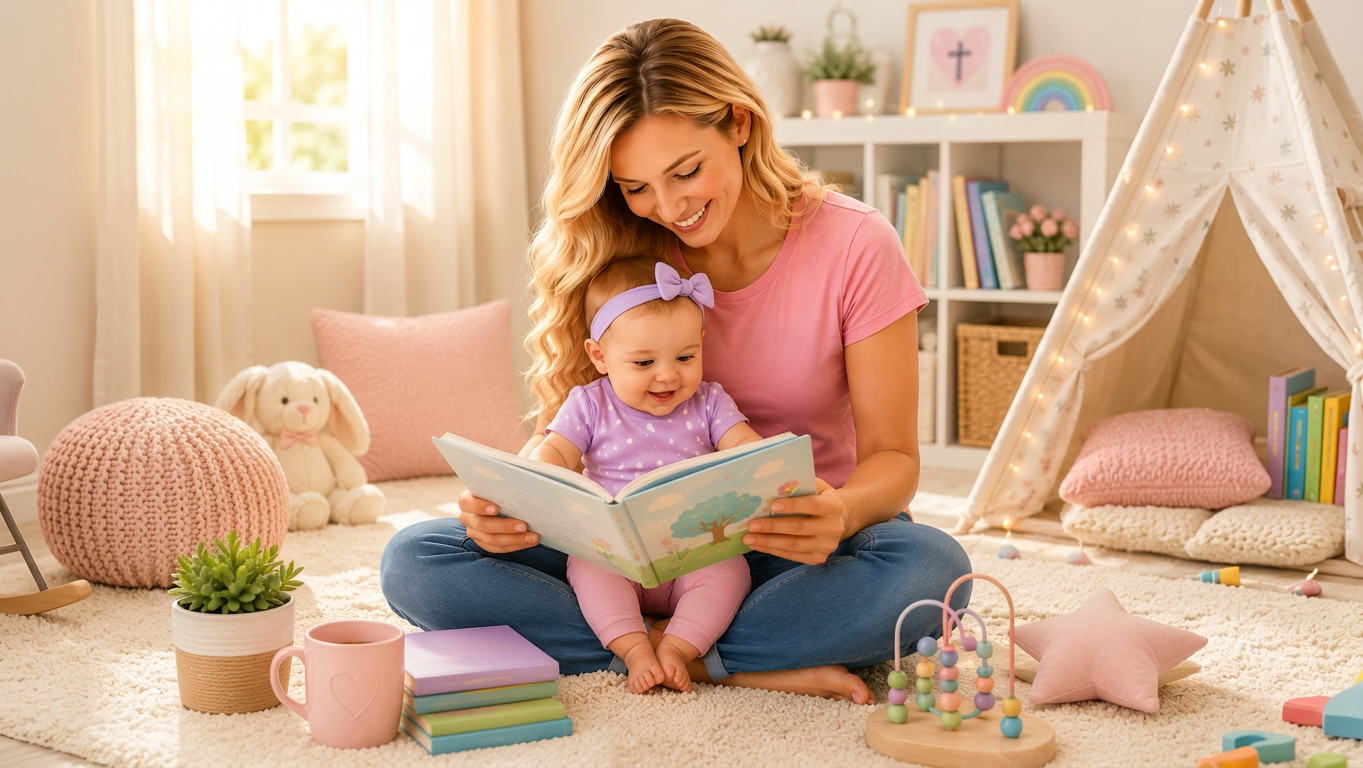
5. Sing Songs Nursery rhymes, worship songs, or your favorite lullabies all help build listening skills and strengthen your bond. Click here
6. Hold Eye Contact During feedings or cuddle time, look into your baby’s eyes and smile. Eye contact helps babies feel secure and loved.
7. Let Baby Grasp Your Finger Offer your finger for your baby to hold. This strengthens their grasp reflex and creates sweet bonding moments.
8. Use High-Contrast Cards Black-and-white or bold-colored images are fascinating to newborns because they’re easier to see. Click here

9. Gentle Baby Massage Massage your baby’s arms, legs, back, and feet with gentle strokes after bath time or before bed. Click here
10. Dance Together Hold your baby securely and sway or dance slowly to soft music around the room.
11. Listen to Nature Sit outside together and listen to birds, rustling leaves, or rainfall. New sounds help stimulate your baby’s developing senses.
12. Explore Different Textures Let your baby touch soft blankets, fuzzy fabrics, satin ribbons, or textured toys while you describe how each feels.
13. Practice Tummy Time with a Mirror Place an unbreakable baby-safe mirror in front of your baby during tummy time. Babies love looking at faces—even their own! click here
14. Play Peekaboo Hide your face behind your hands or a blanket for a second before saying, “Peekaboo!”
15. Go for a Walk Take your baby outside in a stroller or carrier. Fresh air, changing scenery, and natural sounds provide wonderful sensory experiences.
16. Introduce Gentle Rattles Slowly shake a soft rattle from side to side to encourage your baby to turn toward the sound. click here
17. Cuddle Skin-to-Skin Skin-to-skin time isn’t just for newborns. It helps babies feel calm, secure, and connected to you.
18. Pray Over Your Baby Hold your little one close and pray aloud. Even before they understand the words, hearing your voice speak blessings over them creates peaceful moments and establishes a faith-filled routine.
19. Simply Snuggle Never underestimate the power of cuddles. Holding your baby close helps them feel safe, loved, and comforted while strengthening the bond you’ll share for a lifetime.
Infant Development
One of the sweetest parts of these first few months is watching your little one grow right before your eyes. Every day brings something new, and before you know it, your tiny newborn will be showing off brand-new skills.During the first three months, many babies experience growth spurts around 2–3 weeks, 6 weeks, and again around 3 months. These are exciting times because your baby is growing physically while also developing new ways to interact with the world around them. You may notice them becoming more alert, making eye contact, smiling more often, or becoming interested in new sights and sounds.Don’t be surprised if your baby suddenly seems hungry all the time during a growth spurt—especially if you’re breastfeeding. It can feel like you’re feeding around the clock! Take a deep breath, stay hydrated, and remember that this stage won’t last forever. Before long, your little one will be stronger, more alert, and ready to amaze you with another new milestone.So soak up the cuddles, celebrate the little victories, and enjoy every precious moment. These early days may feel long at times, but they truly do pass by in the blink of an eye. 💗
Fun Things To Do With Your Baby
Before trying any activity, always put your baby’s safety first. Once your little one is safe and comfortable, these simple ideas can help you bond, encourage healthy development, and create sweet memories together.


Leave a Reply